
A Scrap Grinder Machine reduces plastic and other process-compatible scrap into smaller, more manageable pieces. In a production area, that may mean trimming sprues, rejected molded parts, sheet offcuts, or runners before they return to a suitable recycling or reprocessing stage. The machine’s rotating blades pull material into a cutting chamber, where repeated shearing creates flakes or granules. The result is practical, not magical. Material type, shape, moisture, and blade condition all affect performance.
“Grind for the next step, not just for smaller pieces.” This is a useful shop-floor principle, but no source was provided to verify it as a quotation from a named Scrap Grinder Machine expert. A real expert’s name and exact words should be checked before publication; inventing an attribution would weaken trust. Choosing a grinder also calls for more than comparing motor power. Operators need to consider throughput, screen size, feed method, noise, dust control, and access for cleaning. A handful of sharp, uneven offcuts can behave very differently from a steady stream of uniform runners. That detail is easy to overlook.
This guide explains what a Scrap Grinder Machine is used for, which materials it can handle, and how its output fits into a recycling workflow. It also considers limitations. Not every scrap stream should be ground together, and poorly matched settings can produce inconsistent material. Knowing those trade-offs helps buyers and operators make a safer, more informed choice.
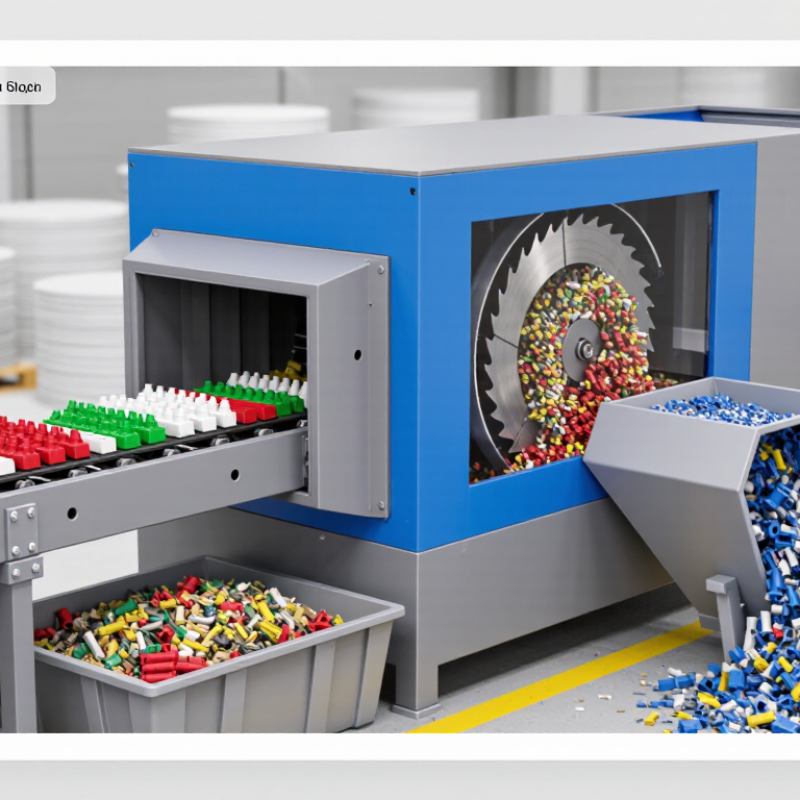
A scrap grinder machine is equipment that cuts or crushes production waste into smaller pieces. It commonly processes rejected plastic parts, sprues, runners, and edge trim. Rotating blades shear the material inside a guarded chamber. The resulting pieces can be easier to handle, store, and feed into suitable recycling or reprocessing steps. Output size depends on the machine, screen, blade condition, and material.
The OECD’s Global Plastics Outlook estimates that 353 million tonnes of plastic waste were generated worldwide in 2019. Only 9% was recycled.
This figure describes the wider waste challenge, not the impact of any single grinder. A grinder reduces size; it does not clean mixed scrap or guarantee that the material can be reused. In a production area, check that the grinder matches the material and expected throughput. Some scraps may tangle, melt, or wear blades quickly.
What Is a Scrap Grinder Machine Used For?
How Does a Scrap Grinder Machine Work?
A scrap grinder turns bulky production offcuts into smaller, more manageable pieces for handling or further processing. Plastic parts, sprues, rejected components, and trim are fed through a guarded hopper. Inside, rotating rotor knives shear the material against fixed bed knives. The cutting action reduces the scrap gradually; it does not simply crush everything at once.
A perforated screen below the cutting chamber controls the output size. Pieces stay inside until they are small enough to pass through its openings. Screen size, knife condition, feed rate, and material type all affect throughput and the shape of the regrind. That matters. According to the U.S. Environmental Protection Agency’s 2018 Advancing Sustainable Materials Management report, the United States generated 35.7 million tons of plastic waste and recycled 3.09 million tons, or 8.7 percent. A grinder cannot solve recycling challenges by itself, but consistent sizing can make scrap easier to handle and reuse where suitable. Operators should watch for rising motor load, unusual vibration, and heat, which may signal dull knives or unsuitable feed. Not magic. Mixed or contaminated scrap can still produce inconsistent material, so sorting and process checks remain important.
A scrap grinder reduces plastic production waste, such as runners, sprues, and rejected parts, into smaller pieces that can be collected and potentially reprocessed.
The bars show process order, not processing time or machine performance. Scrap is fed into the grinder, rotating knives cut it, a screen controls the approximate output size, and the ground material is discharged.
A scrap grinder reduces suitable waste into smaller, more manageable pieces for recycling or further processing. The materials it can handle depend on the machine’s cutting system, motor capacity, and feed opening. There is no single grinder that handles every type of scrap well.
Plastic is a common input, including rejected molded parts, runners, and clean containers. Wood offcuts and pallets may also be processed by machines designed for bulky, fibrous material. Some grinders handle rubber trimmings, fabric scraps, or paper and cardboard. These materials behave differently: soft film can wrap around cutters, while thick wood can strain a small motor. Not everything fits.
Certain heavy-duty systems can reduce light metal scrap, such as aluminum pieces, but metal processing requires suitable cutters and guarding. Check the equipment specifications before feeding metal; a general-purpose plastic grinder is not automatically built for it. Remove loose fasteners and sort out stones or other hard contaminants, which can damage blades. Wet or oily material may also clog the chamber or make output harder to handle. A small test batch is often useful, though it does not replace the manufacturer’s operating limits. The practical choice depends on the scrap’s size, thickness, cleanliness, and the desired particle size.
Scrap grinder machines are common in plastics factories, recycling plants, and packaging workshops. At injection-molding lines, operators grind clean runners, sprues, and rejected parts into smaller flakes for possible reuse. Extrusion and thermoforming facilities also use grinders for edge trim and offcuts. Near the machine, you may see a collection bin filling with rigid flakes, while a dust-control unit captures fine particles. Small details matter: material should be sorted, and unsuitable scraps should stay out of the feed.
The need for this equipment is clear in the scale of material use. PlasticsEurope’s Plastics – the Fast Facts 2024 reports global plastics production of 413.8 million tonnes in 2023. Grinders also appear in electronics-recycling facilities, but only after components are separated; whole devices should not simply be fed into a plastics grinder. The Global E-waste Monitor 2024 estimates that 62 million tonnes of e-waste were generated worldwide in 2022, with 22.3% documented as formally collected and recycled. That is a large stream, but grinding alone does not make recycling successful. Contamination, mixed polymers, and heat from unsuitable settings can reduce the value of regrind. The machine helps. It is not the whole solution.
A scrap grinder machine reduces rejected plastic parts, sprues, runners, and production offcuts into smaller pieces for handling or possible reprocessing. Its useful output depends on the material and the next step in production. Thin film behaves differently from thick, rigid pieces. Check the scrap’s size, shape, hardness, and contamination before choosing a machine. One detail is easy to underestimate: a stated capacity may not match your actual mixed scrap.
Selection also depends on the required particle size, available floor space, motor power, and how steadily material arrives. A screen controls the approximate output size, while blade design affects cutting performance and wear. During operation, feed material evenly and avoid forcing oversized pieces into the chamber. Listen for unusual vibration, and inspect blades and screens on a planned schedule. Dust, heat, and noise also matter; follow the machine manual and use suitable safeguards. Small adjustments can help, but results should be checked against actual output.
Tips: Test a representative batch before committing to a setup. Note throughput, particle consistency, and any jams. Keep a simple maintenance log. It may feel tedious, but it can reveal wear before performance drops.
It reduces bulky production offcuts into smaller pieces for handling or further processing. Not magic.
Material enters through a guarded hopper. Rotor knives shear it against fixed bed knives. A perforated screen holds larger pieces until they are small enough to pass through.
Suitable machines may handle plastic, wood, rubber, fabric, paper, or cardboard scraps. The right choice depends on material thickness, size, and machine capacity. Not everything fits.
No. Soft plastic film can wrap around cutters, while thick wood can strain a small motor. Check the machine’s specifications before feeding unfamiliar material.
Screen openings help control particle size. Knife condition, feed rate, and material type also affect throughput and the shape of the regrind.
They are used in plastics factories, recycling plants, and packaging workshops. At molding lines, clean runners and rejected parts may be ground into flakes.
Sort out stones, loose fasteners, and unsuitable materials. Wet or oily scraps may clog the chamber or make the output harder to handle.
Rising motor load, unusual vibration, or excess heat may point to dull knives or unsuitable feed. Stop and check the process; guessing can cost material.
No. Components should be separated first, and only suitable scrap should enter the machine. Grinding alone does not make material ready for recycling.
A Scrap Grinder Machine is an industrial unit designed to reduce leftover materials into smaller, more manageable pieces for reuse, recycling, or disposal. It typically uses rotating blades or other cutting components inside a guarded chamber. Material is fed into the machine, broken down, and discharged once it reaches a suitable size, often controlled by a screen.
Scrap grinders can process materials such as plastic, rubber, wood, and certain production offcuts, depending on the machine’s design and configuration. They are commonly used in manufacturing facilities, recycling operations, and workshops where scrap needs to be handled efficiently. Choosing and operating a machine involves considering the material type, its size and volume, the desired output, cutting capacity, safety features, and maintenance needs. Matching these factors helps support steady performance and produces material suitable for its intended next use.
