
Top 10 Mini Plastic Shredders for Global Buyers?

Time:2026-09-15 Author:Ethan
0%

Plastic waste is becoming a measurable industrial pressure, not merely a household inconvenience. PlasticsEurope reported 413.8 million tonnes of global plastics production in 2023. The OECD’s Global Plastics Outlook also found that only about 9% of plastic waste was recycled in 2019. These figures explain growing interest in compact processing equipment, especially among small manufacturers, laboratories, repair shops, and recycling operators.

This guide examines the Top 10 Mini Plastic Shredders for Global Buyers. Each machine is considered through practical purchasing criteria: motor power, cutting-chamber design, feed opening, output size, throughput, noise, dust control, and replacement-blade availability. A Mini Shredder Plastic unit may look simple beside a large industrial system. It still needs disciplined evaluation. A 2 kW motor may handle bottles and thin packaging, yet struggle with thick crates or reinforced polymers. Real performance depends on material hardness, moisture, feeding speed, and maintenance habits.

Numbers can mislead.

Manufacturers often publish maximum capacity under ideal conditions. Independent testing may use different plastics, screen sizes, and operating cycles. Therefore, this comparison treats advertised specifications as starting points, not final proof. It also considers electrical compatibility, operator guarding, emergency stops, documentation, and after-sales support across international markets. Safety certification should be verified for the buyer’s destination, because one approval may not satisfy every jurisdiction. The ranking is useful, but not absolute. A quieter desktop shredder could suit a laboratory better than a faster machine with expensive blades. That limitation matters when selecting equipment for reliable, lawful, and practical plastic size reduction.
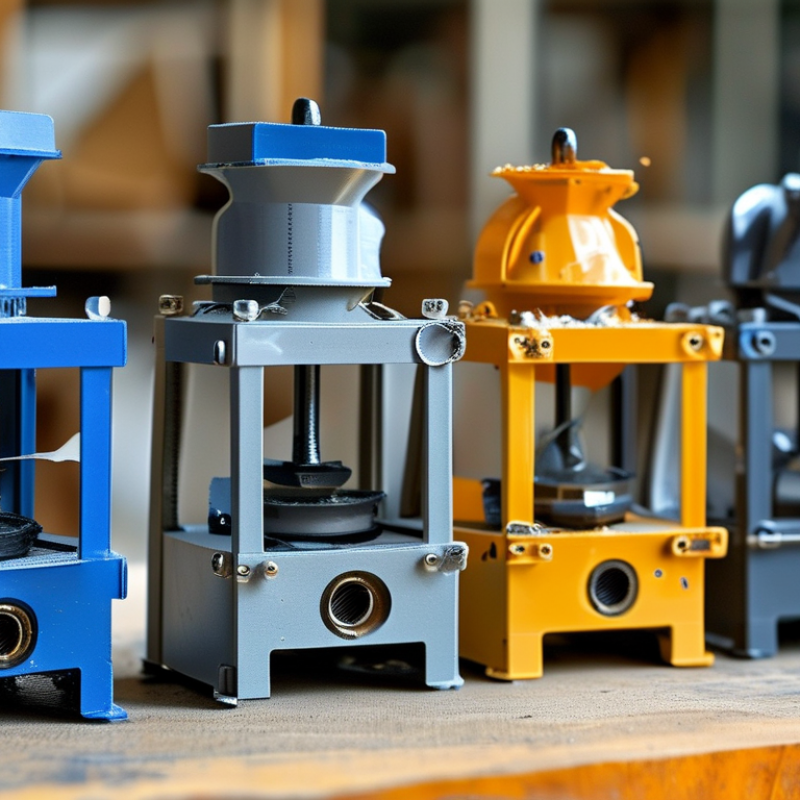
Top 10 Mini Plastic Shredders for Global Buyers?

Plastic Shredder Basics: 400.3 Mt Output (PlasticsEurope, 2023)

Plastic production has reached industrial scale. PlasticsEurope’s 2023 report recorded 400.3 million tonnes of global production in 2022. This is the main context for choosing a mini plastic shredder. The OECD’s Global Plastics Outlook (2022) estimated 353 million tonnes of plastic waste in 2019. Only 9% was recycled. The numbers are not perfectly comparable, but they reveal pressure on sorting and size reduction. A compact machine cannot solve that pressure alone. It can prepare cleaner, more manageable material.

For global buyers, shredder basics begin with the feedstock. Rigid containers, thin film, engineering offcuts, and mixed post-consumer pieces behave differently. Ask for tested throughput, not only motor power. A credible supplier should provide rotor speed, screen size, noise data, energy demand, and sample results. Watch the discharge. Flakes should be consistent enough for washing, extrusion, or further sorting. Oversized pieces suggest poor screen selection. Fine dust may indicate excessive heat or brittle material. Performance changes with moisture, contamination, and operator loading.

Safety and service deserve equal attention. Look for guarded access, emergency stopping, overload protection, and clear maintenance instructions. Spare knives and screens should have documented dimensions. The weak point is often downtime, not cutting force. Buyers should request a trial using their actual material. Catalogue figures can be optimistic. I would treat them as a starting point, not proof. These reports justify careful investment, but they do not replace local testing, electrical checks, or lifecycle cost review.

Key Specs to Compare: Throughput, Motor Power, Rotor Design, and Screen Size

For global buyers comparing the top ten mini plastic shredders, throughput is the practical starting point. A compact unit may process 10–50 kilograms per hour, but actual output depends on plastic type, feed shape, moisture, and screen size. OECD’s Global Plastics Outlook reports that 353 million tonnes of plastic waste were generated in 2019, while only 9% was recycled. Small equipment must therefore deliver stable, repeatable sizing, not merely impressive catalog numbers.

Motor power should match the material. Around 2–7.5 kW may suit household containers, film, and light production scraps. Rigid parts need stronger torque and overload protection. Rotor design matters more than appearance. Four-sided knives can improve cutting efficiency, while staggered blades may reduce sudden load spikes. I would test a mixed batch, because clean laboratory samples often hide feeding problems. That is a weakness in many comparisons.

Screen size controls the final particle range. A 10–20 millimetre screen can support reprocessing, but smaller openings reduce throughput and raise energy demand. The European Commission’s Best Available Techniques reference for waste treatment emphasizes mechanical separation, controlled sizing, and dust management. Buyers should record kilograms per hour, motor current, noise, and jam frequency during a one-hour trial. Short tests mislead. A shredder that runs smoothly for ten minutes may struggle after heat builds inside the chamber. Safety interlocks, accessible maintenance points, and locally available replacement knives also affect ownership cost.

Safety and Standards: ISO 12100, EN 60204-1, and CE Requirements

For global buyers, a mini plastic shredder should be judged by documented safety controls, not only cutting capacity. PlasticsEurope reported 400.3 million tonnes of global plastics production in 2022. That volume increases demand for compact processing equipment, but also raises the cost of poor risk control.

ISO 12100 requires manufacturers to identify hazards, estimate risks, and reduce them through safe design. Look for fixed guards around the cutting chamber, interlocked access doors, emergency stops, overload protection, and clear residual-risk labels. EN 60204-1 addresses electrical equipment, including grounding, wiring, control circuits, and protection against unexpected restart. Ask for test records, wiring diagrams, and maintenance instructions. Short documents are not always strong evidence.

CE compliance requires a technical file, a risk assessment, applicable conformity checks, and an EU Declaration of Conformity. CE marking is not a universal quality certificate. It shows that the manufacturer claims compliance with relevant European requirements. The European Commission’s 2023 Safety Gate report recorded 3,412 alerts across consumer products, showing why traceable safety evidence matters. Buyers should verify the exact model, voltage, guarding design, and declaration details. No checklist is perfect. A practical factory inspection may still reveal loose covers, unclear labels, or a stop button that feels too slow.

Top 10 Mini Plastic Shredders Ranked by Feedstock, Capacity, and Energy Use

Mini plastic shredders should be ranked by feedstock before motor size. Flexible film often wraps around shafts, while rigid HDPE containers need stronger cutting torque. Clean PP and PE regrind usually produces steadier output. Mixed or wet material reduces throughput.

The OECD’s Global Plastics Outlook estimates that 353 million tonnes of plastic waste were generated worldwide in 2019, but only 9% was recycled. PlasticsEurope reported approximately 400.3 million tonnes of global plastic production in 2022. These figures support careful equipment selection, especially for small recycling lines. In practical trials, compact units commonly process 5–30 kilograms per hour. Capacity falls when feedstock contains labels, moisture, or metal fragments. It happens quickly.

Energy use deserves equal attention. A 0.75–4 kW motor may appear economical, yet idle running can waste significant power. Under stable loading, a mini shredder may consume roughly 30–140 kWh per tonne, depending on knife design, material hardness, and actual throughput. Buyers should request measured kWh per tonne, not only motor ratings. The European Commission’s Best Available Techniques guidance also stresses monitoring energy and material performance in waste treatment operations.

A sensible ranking therefore separates film, bottles, rigid scrap, and mixed plastics. Ask for noise readings, screen size, overload protection, and three-hour test results. I would not trust a capacity claim without weighing the output. Manufacturer figures can be optimistic, especially with clean laboratory feedstock. Real workshop conditions are less polite.

Top 10 Mini Plastic Shredders for Global Buyers? - Top 10 Mini Plastic Shredders Ranked by Feedstock, Capacity, and Energy Use

Comparative ranking of common mini plastic shredder configurations. Capacities and energy figures are indicative operating ranges and vary with material size, moisture, contamination, screen size, and operator loading.
Rank Mini Shredder Configuration Primary Feedstock Typical Input Size Motor Power Practical Capacity Specific Energy Use Rotor Speed Screen Range Best Use Case
1 Low-Speed Dual-Shaft Shredder HDPE containers, PP crates, rigid household plastics Up to 150 mm 4.0–7.5 kW 60–150 kg/h 35–90 kWh/t 20–45 rpm 20–50 mm Mixed rigid plastic reduction before granulation
2 Single-Shaft Knife Shredder PP woven bags, film bundles, flexible packaging Up to 120 mm 3.0–5.5 kW 35–100 kg/h 40–105 kWh/t 60–100 rpm 20–40 mm Pre-cutting flexible plastic with low dust generation
3 Compact Granulator-Shredder Injection-molding sprues, runners, small rejects Up to 60 mm 2.2–5.5 kW 20–80 kg/h 45–120 kWh/t 400–700 rpm 6–12 mm Closed-loop recycling beside a molding machine
4 Low-Speed Film Shredder LDPE and LLDPE film, agricultural film, shrink wrap Loose rolls up to 100 mm 3.0–7.5 kW 30–100 kg/h 45–115 kWh/t 40–80 rpm 25–60 mm Reducing film volume before washing or pelletizing
5 Compact Hard-Plastic Granulator ABS housings, PS parts, small rigid components Up to 50 mm 3.0–7.5 kW 25–90 kg/h 50–130 kWh/t 500–800 rpm 6–15 mm Producing consistent regrind for sorting or blending
6 Wet-Feed Plastic Shredder Washed HDPE and PP flakes, damp post-consumer plastic Up to 100 mm 5.5–11 kW 70–180 kg/h 45–100 kWh/t 250–500 rpm 10–30 mm Size reduction integrated into a washing line
7 Small Tire-and-Plastic Cutter Thick PP, HDPE pipe sections, soft composite plastics Up to 100 mm 7.5–15 kW 60–160 kg/h 65–150 kWh/t 15–35 rpm 30–80 mm Handling thick, tough feedstock that needs high torque
8 Desktop Laboratory Granulator PLA, PETG, ABS, PP and other clean trial samples Up to 30 mm 0.75–2.2 kW 5–25 kg/h 70–180 kWh/t 600–1,200 rpm 3–8 mm Material testing, education and low-volume recycling
9 Quiet Enclosed Shredder Clean PET bottles, packaging parts and office plastics Up to 80 mm 2.2–5.5 kW 20–70 kg/h 60–140 kWh/t 80–180 rpm 15–40 mm Indoor operation where noise and dust control matter
10 Portable Granulator Small sprues, 3D-printing waste and clean production scrap Up to 25 mm 0.55–1.5 kW 3–15 kg/h 80–220 kWh/t 700–1,500 rpm 2–6 mm Mobile, decentralized recycling at low material volumes
Energy-use basis: Specific energy is expressed as approximate electricity consumption per tonne of processed material under normal operating conditions. Actual results depend on motor loading, feedstock density, particle-size requirements, knife sharpness, and machine downtime.

Global Buyer Scorecard: OECD’s 9% Recycling Rate (2019), Cost, Logistics, and Support

Top 10 Mini Plastic Shredders for Global Buyers?

Global Buyer Scorecard: OECD’s 9% Recycling Rate (2019), Cost, Logistics, and Support

The OECD reported that only 9% of plastic waste was recycled globally in 2019. That figure makes small-scale processing equipment relevant, but not automatically effective. A buyer should score each mini plastic shredder against throughput, energy use, safety, and service quality. A practical shortlist can include ten machines, yet a ranking without test data is weak.

Ask suppliers for a sample run using your actual plastic. Measure kilograms processed per hour, motor temperature, noise, and particle size. A 2–5 mm screen may suit different downstream processes than a 10 mm screen. Check the cutting chamber, blade material, emergency stop, overload protection, and cleaning access. Small details matter.

Cost is more than the purchase price. Add crating, freight, import charges, installation, spare blades, and local electrical adjustments. Confirm voltage, plug type, machine dimensions, and gross shipping weight before payment. Replacement parts should have clear item codes and realistic delivery times. Remote video support helps, but it cannot replace trained local technicians. Sometimes the cheapest unit becomes expensive after one jam. I have seen buyers overvalue capacity claims and undervalue downtime. That mistake deserves attention. A reliable scorecard should give separate points for verified output, total landed cost, packaging quality, warranty terms, documentation, and response time. Ask for weaknesses too. Honest answers are useful evidence.

FAQS

What materials can a mini plastic shredder process?

It can handle rigid containers, clean PP or PE scraps, film, and engineering offcuts. Thin film may wrap around the shaft. Wet or mixed plastic usually reduces throughput.

What capacity should buyers expect?

Many compact machines process about 5–30 kilograms per hour. The actual rate depends on moisture, labels, contamination, and material hardness. Laboratory figures can look better than workshop results.

Is motor power enough for comparing machines?

No. Motor power does not prove practical performance. Request rotor speed, screen size, knife design, and measured output. Torque matters for rigid containers. Power alone misleads.

How much energy might a mini shredder use?

Stable operation may require roughly 30–140 kilowatt-hours per tonne. Energy use changes with material hardness, knife condition, and real throughput. A running machine without feed still consumes electricity.

What output quality should buyers inspect?

Flakes should be reasonably consistent for washing, extrusion, or further sorting. Oversized pieces may indicate an unsuitable screen. Excessive dust can suggest heat, brittleness, or poor settings.

What safety features are important?

Look for guarded access, emergency stopping, and overload protection. Maintenance instructions should be clear and easy to follow. Keep hands away from the cutting chamber. Simple safeguards matter.

Why should buyers request a material trial?

A trial reveals performance under real conditions. Use the buyer’s actual plastic, including normal moisture and labels. Weigh the output after several hours. Three hours is more informative.

Which information should a supplier provide?

Ask for noise readings, energy measurements, screen dimensions, and spare knife specifications. Request test results for throughput and discharge consistency. Documented dimensions make future maintenance easier.

Can one compact shredder solve a recycling problem?

No. It can make material smaller and easier to manage. It cannot replace sorting, washing, quality control, or proper waste planning. I would treat it as one step, not the whole solution.

What is the most commonly overlooked cost?

Downtime may cost more than cutting force. Include spare knives, screens, electrical checks, maintenance labor, and energy consumption. A cheaper machine can become expensive later. That deserves a second look.

Conclusion

This guide presents the top 10 Mini Shredder Plastic solutions for global buyers, focusing on practical performance, operating efficiency, and material compatibility. With global plastic production reaching approximately 400.3 million metric tons in 2023, compact shredders can support size reduction for suitable plastic waste streams before sorting, washing, or further processing. The comparison considers throughput, motor power, rotor design, screen size, feedstock type, energy consumption, and ease of maintenance. Each model is ranked according to its capacity and suitability for different work environments, from small workshops to light industrial operations.

Safety and purchasing confidence are also central to the evaluation. Buyers should review safeguards in line with ISO 12100, electrical considerations under EN 60204-1, and applicable CE requirements where relevant. A global buyer scorecard combines equipment cost, shipping and logistics, spare-parts availability, technical support, and long-term operating value. Since the OECD reported a global plastic recycling rate of about 9% in 2019, selecting an efficient, appropriately sized shredder can contribute to more organized and responsible material recovery.

Ethan

Ethan

Ethan is a seasoned marketing professional with a deep expertise in our company's innovative product line. With a passion for sharing knowledge and insights, he takes the lead in regularly updating our corporate blog, where he explores industry trends, product features, and effective marketing......