
Choosing a Plastic Waste Machine is not merely an equipment decision. It is a practical response to growing waste volumes, rising disposal costs, and inconsistent material quality.
A reliable machine can sort, shred, wash, dry, and pelletize discarded plastic. Each stage matters. A dirty film stream can damage blades and reduce pellet value. Proper washing removes food residue, soil, and labels. Controlled drying prevents moisture from weakening recycled material. The result is a more stable feedstock for manufacturers. As plastic-waste researcher Dr. Roland Geyer has stated, “We cannot recycle our way out of the plastic waste problem.” His warning is important. Recycling equipment works best alongside waste reduction, better product design, and responsible collection systems.
The right Plastic Waste Machine should match the actual waste stream. A facility handling rigid HDPE containers needs different settings than one processing thin agricultural film. Operators should examine throughput, contamination levels, power consumption, water treatment, spare-part access, and maintenance skills. These details affect performance more than impressive catalogue figures. A machine that claims high capacity may underperform with wet, mixed, or heavily contaminated waste. That is easy to overlook.
Real experience also brings uncomfortable questions. Is the recovered plastic consistently saleable? Can local workers operate the system safely? Will maintenance remain affordable after the first year? No machine is perfect. Still, a carefully selected Plastic Waste Machine can turn a difficult waste stream into usable material, reduce landfill dependence, and support a more measurable circular economy. Its value appears in daily output, cleaner floors, lower reject rates, and dependable results.
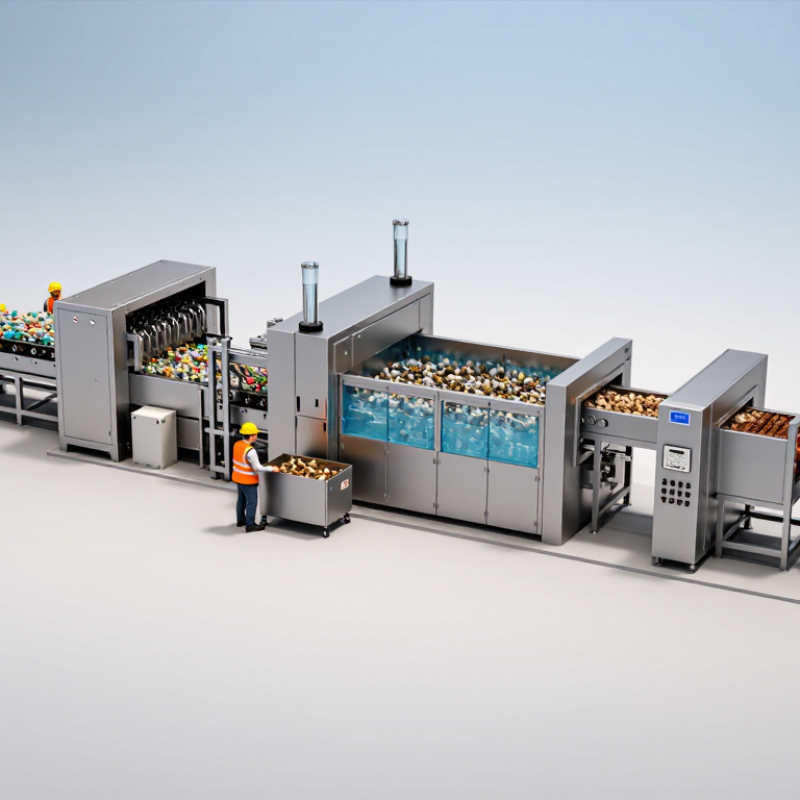
A plastic waste recycling machine is an integrated system that turns used plastic into reusable material. It usually includes sorting, shredding, washing, drying, melting, and pelletizing equipment. Each stage has a practical purpose.
The process begins when workers remove unsuitable items and separate plastics by type. A shredder then cuts bottles, films, or containers into smaller flakes. Water and friction help remove dirt, labels, and food residue. After washing, a dryer reduces surface moisture before the flakes enter an extruder. Inside the extruder, controlled heat melts the plastic without burning it. A filter removes small particles, while a cutting unit forms uniform pellets. The final material can support products such as containers, pipes, or molded parts, depending on its quality.
In daily operation, operators inspect blades, screens, heaters, and water filters. Small changes in moisture can affect pellet quality. Excessive heat may darken the material or weaken it. The machine also needs regular cleaning, because old residue can contaminate new batches. A recycled pellet is not automatically equal to new plastic. Its strength depends on the original material, sorting accuracy, and processing conditions. This is where careful records matter. Some systems are described as fully efficient, but real facilities still face noise, dust, maintenance delays, and material loss. A reliable recycling plan must measure these weaknesses instead of hiding them.
| Plastic Type | Common Sources | Typical Density | Approximate Melting Range | Recommended Recycling Preparation | Typical Recycled Applications |
|---|---|---|---|---|---|
| PET (Polyethylene Terephthalate) |
Beverage bottles, food containers, textile fibers | 1.34–1.39 g/cm³ | 250–260°C | Sorting, label and cap removal, washing, drying, flake production | Fiber, strapping, containers, sheet and filament |
| HDPE (High-Density Polyethylene) |
Detergent bottles, milk containers, crates, pipes | 0.94–0.97 g/cm³ | 125–135°C | Sorting by polymer and color, washing, drying, shredding or pelletizing | Bins, pipes, pallets, bottles and molded products |
| LDPE (Low-Density Polyethylene) |
Plastic film, shopping bags, packaging film | 0.91–0.94 g/cm³ | 105–115°C | Film separation, contaminant removal, compacting, washing when required | Film, bags, liners and flexible packaging products |
| PP (Polypropylene) |
Food tubs, bottle caps, automotive parts, woven sacks | 0.90–0.91 g/cm³ | 160–170°C | Sorting, shredding, washing, drying and melt filtration | Automotive components, storage products, fibers and packaging |
| PVC (Polyvinyl Chloride) |
Pipes, cable insulation, flooring and profiles | 1.30–1.45 g/cm³ | Softens before clean melting | Strict separation from other plastics; controlled processing is required to limit thermal degradation | Pipes, profiles, flooring and construction products |
| PS (Polystyrene) |
Disposable food packaging, protective foam, trays | 1.04–1.06 g/cm³ | 240–260°C | Separate rigid and expanded forms, remove food residue, compact or shred before processing | Insulation products, packaging, office products and molded parts |
| Mixed Plastic Waste | Post-consumer packaging, household waste and industrial scrap | Varies by polymer composition | Varies by polymer composition | Use sorting, magnetic or metal separation, shredding, washing, drying and melt filtration | Composite boards, molded products, pallets and construction applications |
Values are typical reference ranges for common plastic grades. Actual processing conditions depend on polymer grade, additives, moisture, contamination, equipment design and required product quality.
It converts used plastic into flakes or reusable pellets. The system may include sorting, shredding, washing, drying, melting, filtering, and cutting. Each stage removes a specific problem. It is not magic.
Workers separate plastics by type and contamination level. A shredder cuts bottles, films, or containers into small flakes. Washing removes dirt, labels, and food residue. Drying removes surface moisture before melting.
Common materials include rigid PET, HDPE, PP, and LDPE films. Each polymer needs suitable temperatures and equipment settings. Mixed or multilayer plastics are more difficult to process. Material matching matters.
No single system handles every plastic waste stream effectively. PVC, ABS, engineering plastics, and multilayer packaging may need separate lines. Films can wrap around blades and interrupt production. This risk is easy to underestimate.
Accurate sorting improves pellet strength, color, and consistency. Metal caps, soil, food residue, and mixed polymers can reduce output quality. A clean-looking flake may still contain hidden contamination. Appearance can mislead.
Excess moisture can create bubbles during extrusion. It may also cause uneven melting and weak pellets. Operators should check moisture before processing each batch. Small differences matter.
Operators should inspect blades, screens, heaters, filters, and water systems regularly. Old residue can contaminate new material. Cleaning delays may reduce production and pellet quality. Maintenance is sometimes neglected.
Pellets may support containers, pipes, household products, or molded parts. Their use depends on strength, color, contamination, and processing history. Recycled pellets are not automatically equal to new plastic. Testing is necessary.
Recycling can reduce waste sent to landfills and uncontrolled disposal. However, washing may consume substantial water. Facilities can also produce noise, dust, material loss, and maintenance waste. The process has weaknesses.
It should measure moisture, melt flow, color, contamination, material loss, and downtime. Operators should record changes between batches. Claims of complete efficiency deserve careful checking. Real systems are imperfect.
A Plastic Waste Machine is specialized equipment designed to sort, clean, shred, melt, or reform discarded plastic into reusable materials. It helps transform plastic waste from homes, factories, and commercial operations into flakes, pellets, or other forms suitable for manufacturing. Depending on its design, the machine can handle common materials such as PET, HDPE, LDPE, PP, and certain mixed plastics, although proper sorting is important for efficient processing and consistent quality.
Using a Plastic Waste Machine can reduce the amount of plastic sent to landfills, conserve raw materials, lower energy consumption compared with producing new plastic, and support a more circular economy. It may also reduce waste management costs and create opportunities to recover value from discarded materials. When choosing the right machine, users should consider the plastic types, daily processing capacity, contamination levels, desired output, energy efficiency, maintenance requirements, available space, and overall operating budget.
