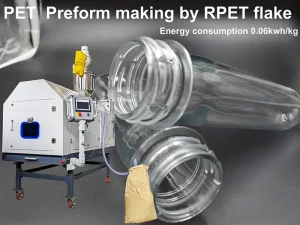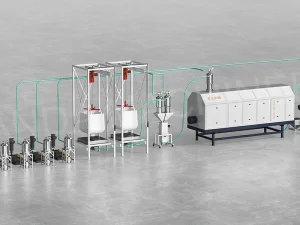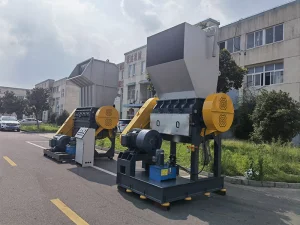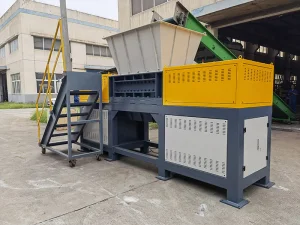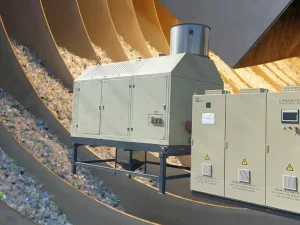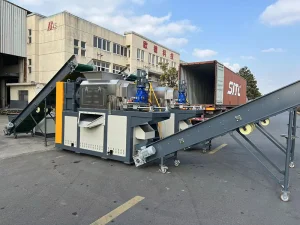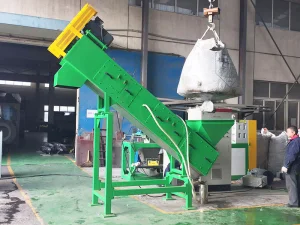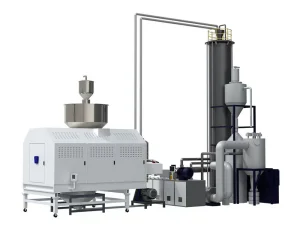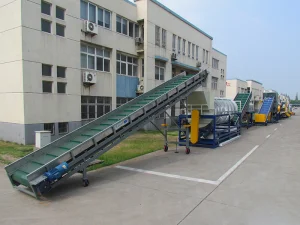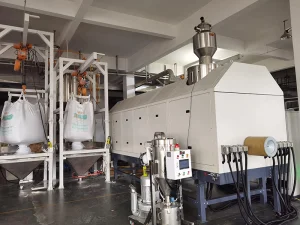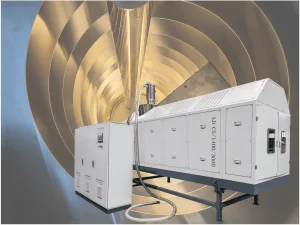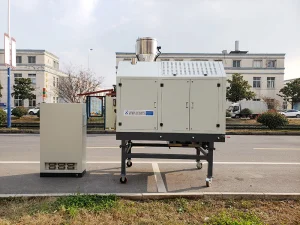
Explore our CE-compliant, industry-leading small plastic dryers, crystallization units, and shredder systems designed for minimum energy consumption and maximum thermal output.
ZHANGJIAGANG LIANDA MACHINERY CO., LTD has been at the forefront of engineering state-of-the-art plastic recycling and thermal processing machinery since 1998. We design our small plastic dryers and industrial recycling plants to be simple, efficient, and robust, prioritizing what matters most to global plastic producers and recyclers: uninterrupted operational stability, low lifecycle maintenance, and optimized energy utilization.
LIANDA MACHINERY is a globally recognized plastic recycling machine manufacturer specializing in waste plastic recycling machines and specialized plastic dryers. With over 2,680 installations successfully commissioned since 1998, we satisfy industrial clients across more than 80 countries, including Germany, the United Kingdom, Mexico, Russia, the United States, Korea, Thailand, Japan, South Africa, Spain, Hungary, Colombia, Pakistan, Ukraine, and beyond.


In modern polymer processing, thermal moisture management is not merely a drying stage; it is a critical thermodynamic requirement that governs the structural integrity, molecular weight retention, and intrinsic viscosity (IV) of hygroscopic polymers. Hygroscopic resins such as Polyethylene Terephthalate (PET), Polylactic Acid (PLA), Polybutylene Adipate Terephthalate (PBAT), and specialty engineering plastics (PPS, PEI, PPSU) absorb moisture deeply within their amorphous molecular matrices.
When moist plastic pellets enter an extruder barrel or injection molding machine, the ambient water molecules undergo rapid thermal excitation. At processing temperatures exceeding the polymer's melting point ($T_m$), water reacts directly with the ester bonds in polymers like PET or PLA. This reaction, known as hydrolysis, cleaves long polymer chains into shorter carboxyl and hydroxyl end-groups. The catastrophic result is a severe drop in Intrinsic Viscosity (IV), leading to brittle end-products, cosmetic flaws (splay marks, silver streaks, micro-voids), and unacceptable scrap rates.
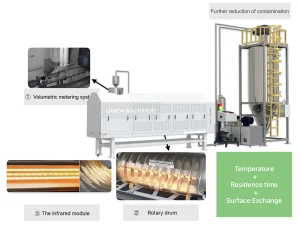
Traditional hot-air desiccant dryers rely on slow convective heat transfer. Hot dry air must heat the pellet from the outside inward, requiring 3 to 6 hours of pre-heating and immense electrical power to regenerate molecular sieve beds. In contrast, LIANDA Machinery’s Infrared Rotary Dryer (IRD) utilizes short-wave infrared radiation (1.0–1.6 µm wavelength). Infrared light directly penetrates the polymer resin surface, causing internal molecular vibration that rapidly releases trapped moisture outward.
| Performance Metric | Conventional Desiccant Dryer | Honeycomb Rotor Dryer | LIANDA Infrared Rotary Dryer (IRD) |
|---|---|---|---|
| Drying & Crystallization Time | 4 – 6 Hours | 3.5 – 5 Hours | 15 – 20 Minutes |
| Thermal Energy Efficiency | Low (Convective Losses) | Moderate (Desiccant Re-gen Losses) | High (Direct IR Radiative Transfer) |
| Energy Consumption Savings | Baseline (0%) | 15% - 20% | 45% - 50% Reduction |
| Final Moisture Output | 100 – 200 ppm | 50 – 100 ppm | < 50 ppm (0.005%) |
| Material Clumping Risk | High during pre-crystallization | Moderate | Zero (Continuous Rotary Agitation) |
| Thermal Shock & Yellowing | High thermal stress over hours | Moderate thermal stress | Minimal (Instant heat, precise PLC) |
LIANDA MACHINERY provides tailored machinery and turnkey solutions engineered to solve complex operational challenges faced by plastic recyclers and resin compounders around the world. We offer specialized service and manufacturing excellence in the following core areas:
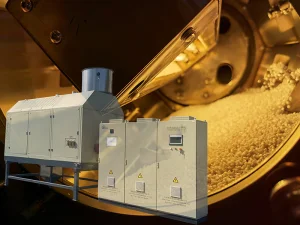
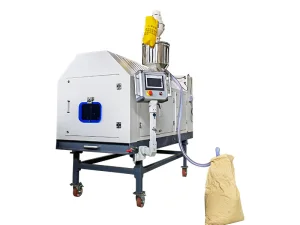
Infrared crystal dryers and dynamic plastic dehumidifier dryers for rapid crystallization of virgin, post-industrial, and post-consumer PET, PLA, and masterbatches without thermal degradation.
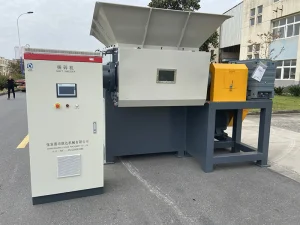
Heavy-duty single shaft and double shaft shredders capable of processing high-volumetric solid blocks, bulky waste, tough plastic purgings, fibers, and agricultural films.
Precision-engineered plastic grinders and bottle crushers equipped with wear-resistant steel blades designed to deliver uniform regrind particle sizing with minimal dust generation.
Complete PET bottle washing, cutting, hot-washing, friction washing, and drying systems optimized for direct food-contact bottle-to-bottle (rPET) recycling compliant with global standards.
Patented mechanical squeezing dryers and densifying systems for post-wash PE/PP agricultural films, flexible packaging, and non-woven material recycling.
High-capacity plastic pelletizing and extrusion lines configured with specialized filtration and degassing to process highly contaminated flakes into high-grade resin pellets.
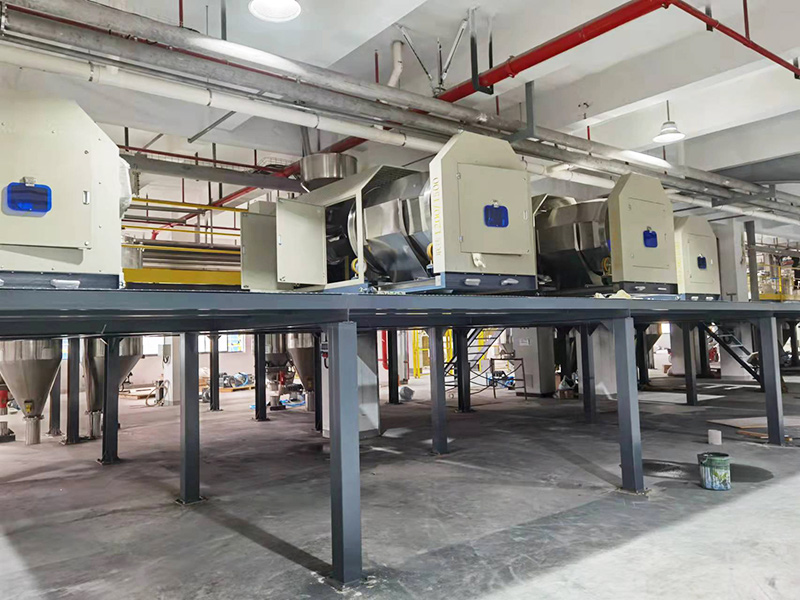
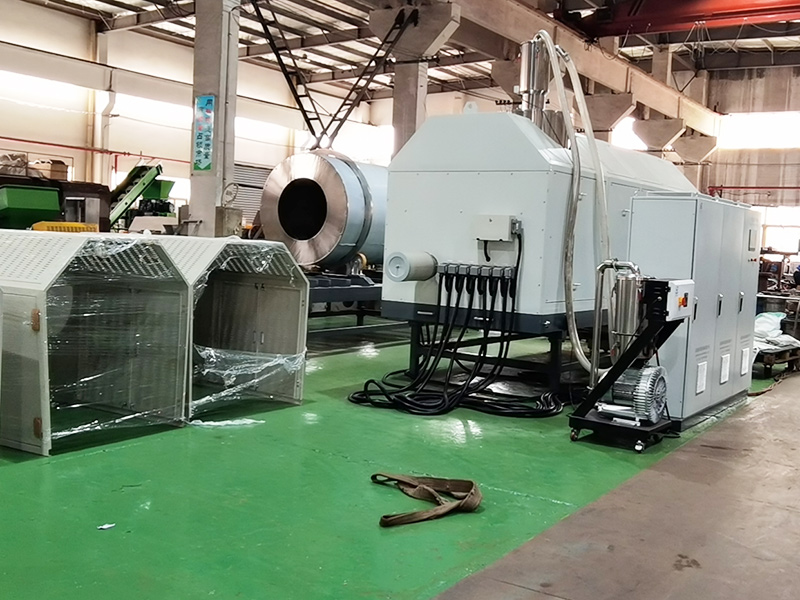
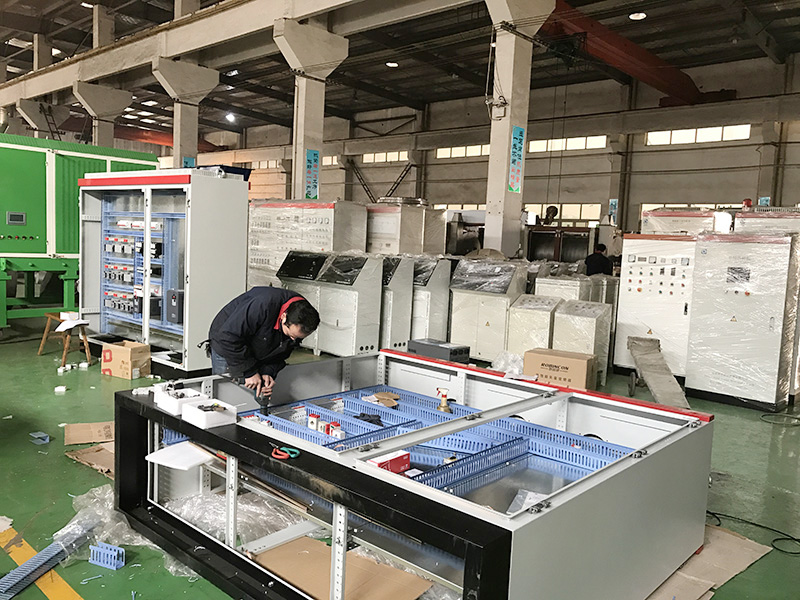
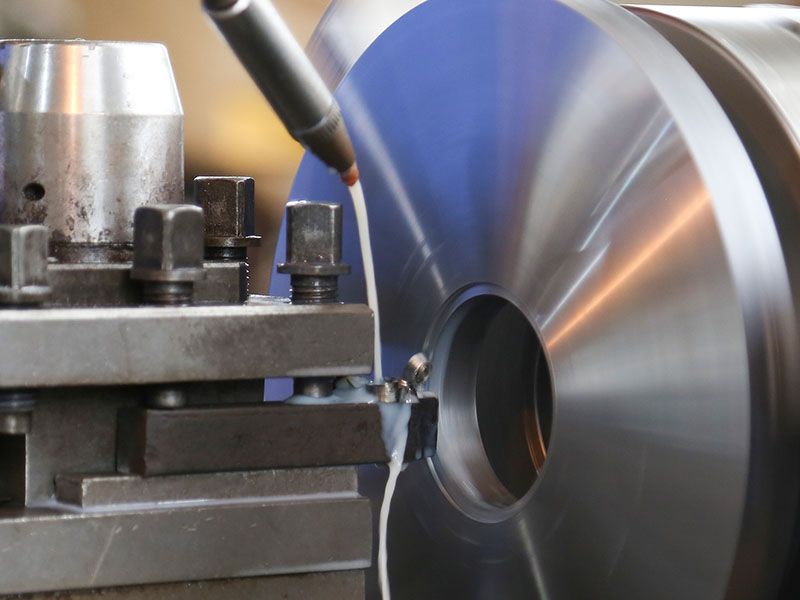
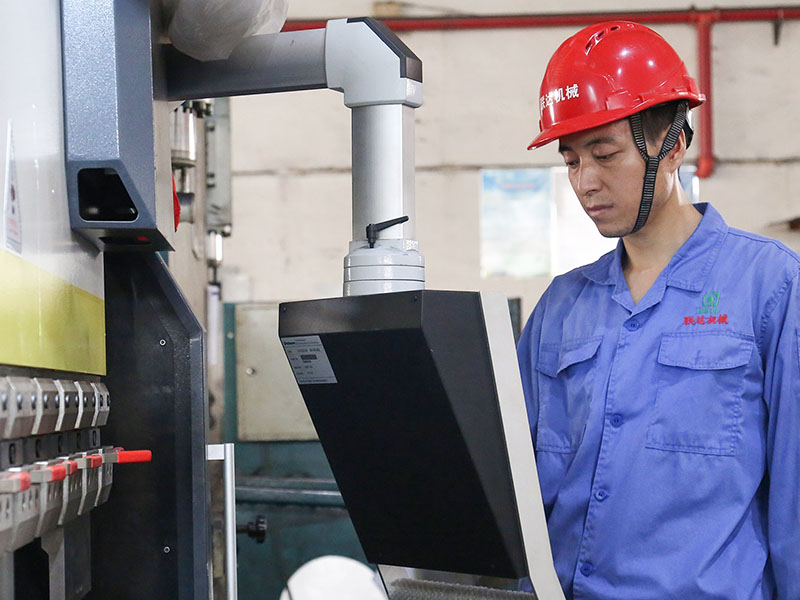
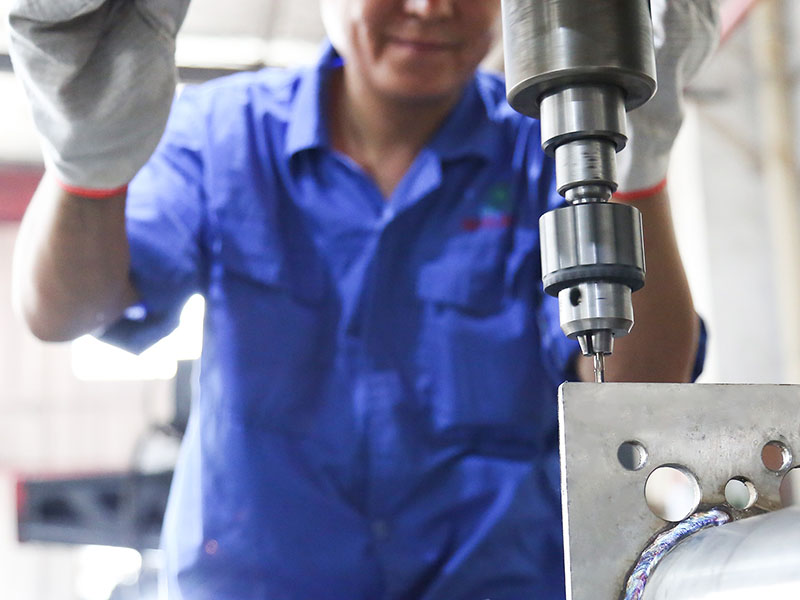
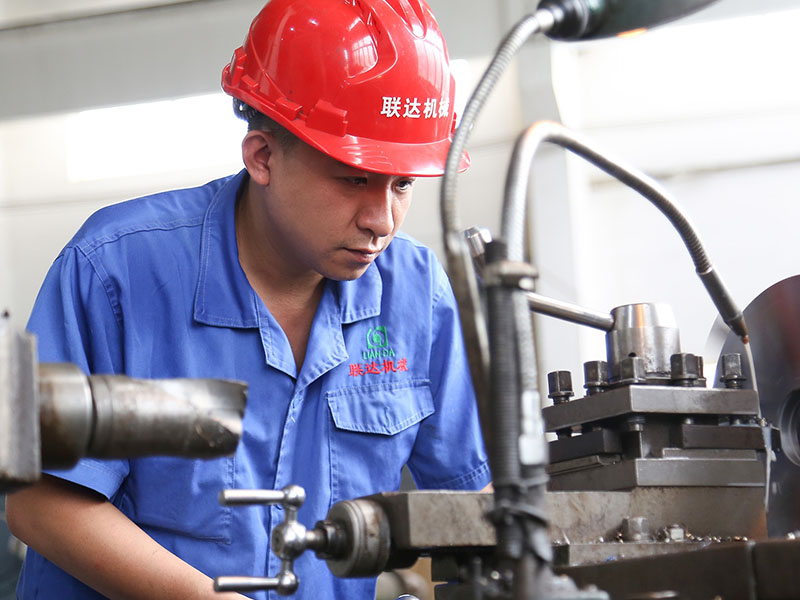
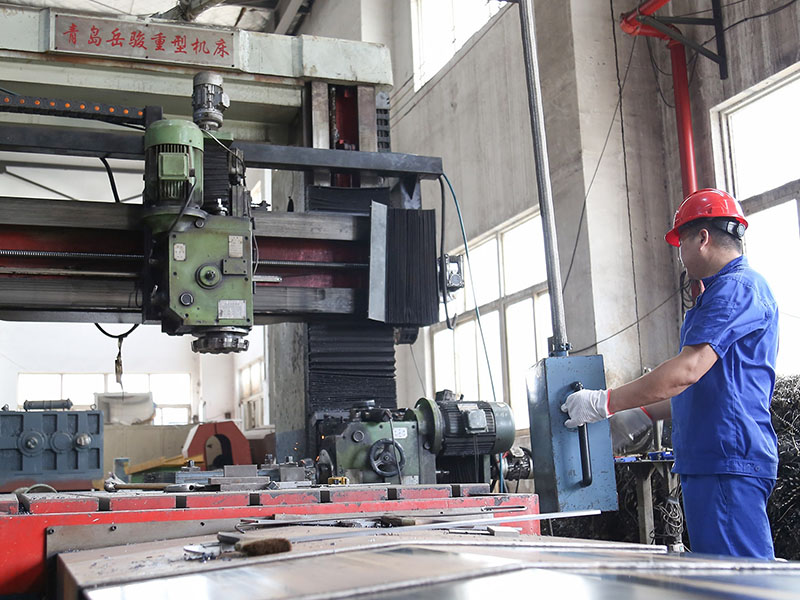
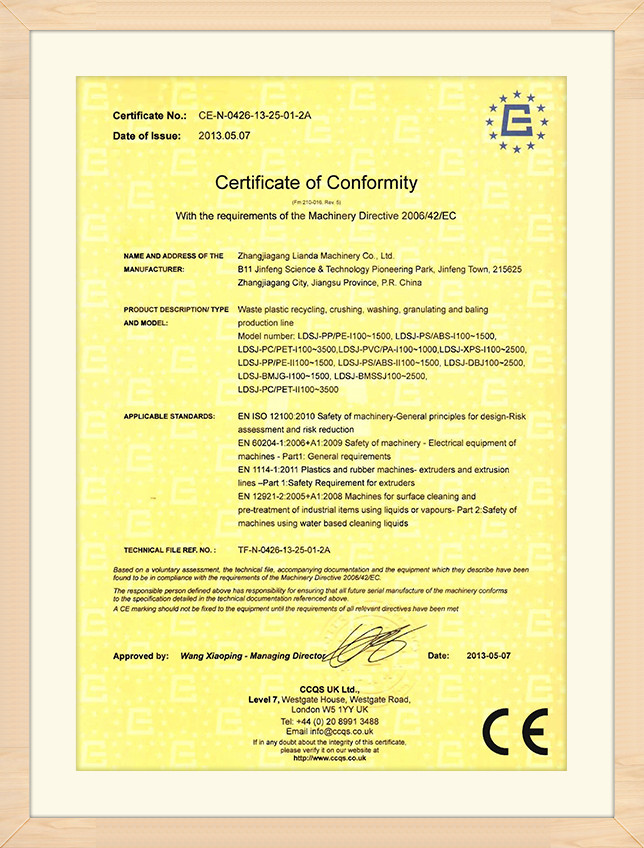
Manufacturing with absolute mechanical precision is the bedrock of LIANDA MACHINERY’s corporate philosophy. Every small plastic dryer, crystallization module, and shredding unit is built in accordance with rigid international standards, ensuring compliance with European safety directives and global quality management protocols.
Full quality management system coverage over design, procurement, component machining, system assembly, testing, and pre-shipment quality audits.
Fully compliant with European Union Safety Directives: Machinery Directive 2006/42/EC, Low Voltage Directive 2014/35/EU, and Electromagnetic Compatibility (EMC) 2014/30/EU.
Acquired German patent licensing for Infrared Crystal Dryer technology in 2008. Over decades of internal continuous optimization, LIANDA has expanded and registered multiple proprietary IR patents worldwide.
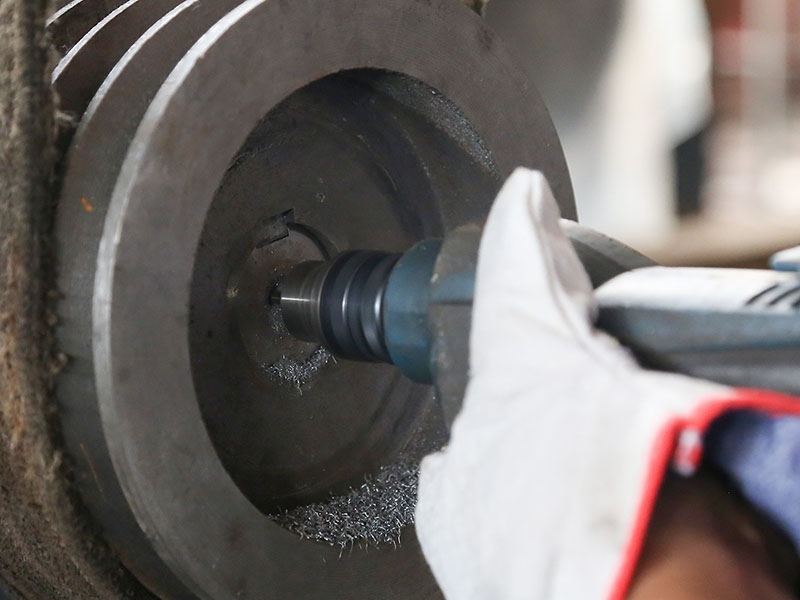
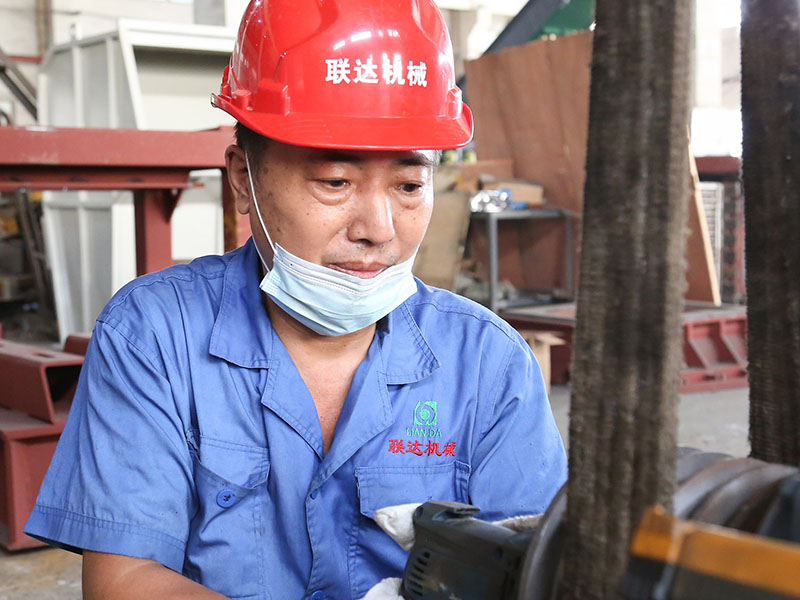
Small plastic dryers manufactured by LIANDA MACHINERY are engineered for flexibility across a spectrum of difficult-to-dry engineering resins, biodegradable biopolymers, and post-consumer recycled materials.
Direct processing of amorphous recycled PET bottle flakes for thermoforming sheet extruders, strapping tape lines, and preform manufacturing without sticking or bridging.
PLA and PBAT biopolymers have low glass transition temperatures ($T_g \approx 55-60^\circ\text{C}$) and are prone to severe clumping. LIANDA’s rotary IR agitation prevents sticking while crystallizing in 15 minutes.
Drying masterbatch carriers (PET, PE, PBT, PA) heavily loaded with pigments, titanium dioxide ($\text{TiO}_2$), or flame retardants, ensuring moisture-free feeding into compounders.
Ideal for specialized polymers including PPS, PEI, PPSU, and TPEE requiring precise high-temperature thermal conditioning without oxidative degradation or yellowing.
As global circular economy regulations mandate higher percentages of recycled content in food packaging and automotive components, LIANDA MACHINERY is advancing polymer thermal technology through three key innovation pillars:
Integration of real-time optical near-infrared (NIR) moisture sensors coupled with machine learning algorithms. The dryer dynamically adjusts rotary speed, IR emitter intensity, and residence time based on incoming flake moisture spikes.
Combining short-wave IR drying with inline vacuum-assisted SSP, enabling post-consumer rPET flakes to increase Intrinsic Viscosity (IV) from 0.65 to >0.85 dl/g in a continuous process without secondary pelletizing.
Refining IR thermal transfer kinetics to maximize energy recovery, allowing small plastic dryers to operate seamlessly on clean renewable power grids with zero direct carbon footprint.
Below are expert answers to technical inquiries regarding small plastic dryers, crystallization systems, and recycling line optimization.
Amorphous polymers such as PET or PLA soften and become sticky when heated above their glass transition temperature ($T_g$). LIANDA’s Infrared Rotary Dryer features a continuous rotating drum equipped with engineered mixing spirals. As the drum rotates, material pellets or flakes are kept in continuous dynamic motion while short-wave infrared heat is applied. This continuous tumbling ensures uniform heat distribution and completely eliminates inter-particle sticking or wall caking.
Traditional desiccant dryers heat large volumes of air, which is then pumped through a heavy thermal mass of plastic resin inside a tall hopper for 4 to 6 hours. Significant energy is lost via hot air exhaust and desiccant wheel thermal regeneration. LIANDA’s IRD delivers radiant electromagnetic energy directly into the polymer matrix. Because infrared waves heat the material directly without relying solely on air thermal conductivity, residence times are reduced to just 15–20 minutes, cutting power consumption by almost half.
For PET sheet extrusion, preform molding, or masterbatch production, LIANDA’s IRD reliably reduces moisture from initial levels of 1.5% (15,000 ppm) down to under 50 ppm (<0.005%) in a single 20-minute pass, meeting or exceeding strict industrial processing specifications.
Yes. Every plastic dryer, crystallizer, shredder, and granulator manufactured by ZHANGJIAGANG LIANDA MACHINERY CO., LTD is strictly built to comply with CE directives including 2006/42/EC (Machinery Directive), 2014/35/EU (Low Voltage Directive), and 2014/30/EU (EMC Directive). The facility is also ISO9001 certified.
Yes. Biodegradable polymers (PLA, PBAT, PBS) are highly heat-sensitive and hydro-sensitive. LIANDA has optimized specific drying curves within our Siemens PLC touch screen system, allowing operators to crystallize and dry PLA resins safely at lower temperatures without thermal degradation or sticky agglomeration.
Explore our auxiliary recycling machinery, including wash lines, sheet extrusion systems, and specialized decontamination dryers engineered for high-throughput operation.