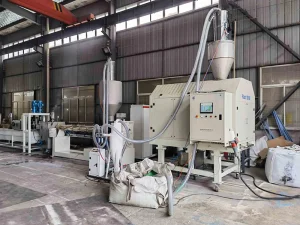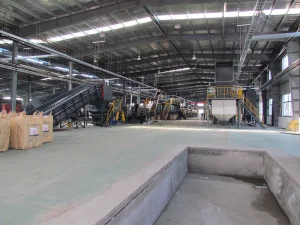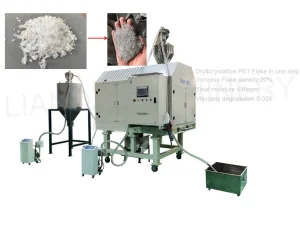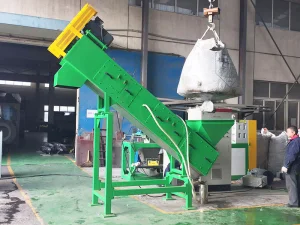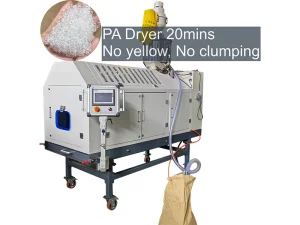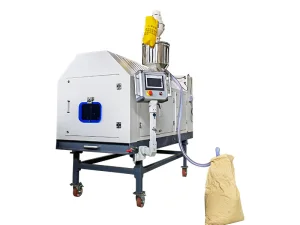
As global industries pivot toward circular economy models, the demand for high-performance Plastic Pallet Shredders has surged. Lianda Machinery, established in 1998, has evolved from a local supplier to a global leader in providing industrial recycling solutions. By leveraging Infrared Crystal Dryer technology and high-torque shredding mechanisms, we enable enterprises to reduce waste-to-landfill costs by over 45%.
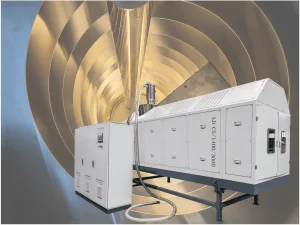
Our R&D focus is currently centered on two primary vectors: Energy Efficiency and Material Purity. Our patented IRD technology drastically shortens drying cycles, ensuring that recycled plastic pellets meet the stringent requirements of high-end manufacturing. Whether it is agricultural film or industrial pallet scrap, our equipment is designed for 24/7 stable operation.
With installations in over 80 countries, including Germany, Mexico, and Japan, Lianda Machinery adheres to strict ISO9001 and CE compliance. We offer comprehensive after-sales support, bridging the gap between Chinese manufacturing efficiency and global quality expectations. Our "easy and stable" production philosophy minimizes downtime, making us the preferred OEM/ODM partner for global plastic recyclers.
A: We provide high-torque, durable shredders specifically calibrated for high-density polyethylene (HDPE) and polypropylene (PP) pallets, ensuring optimal throughput.
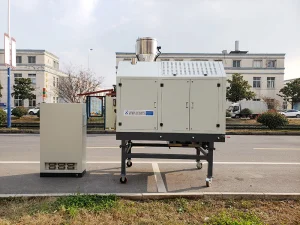
A: Our infrared drying systems target water molecules directly in the polymer, reducing drying times to as little as 20 minutes compared to traditional heat-based methods.