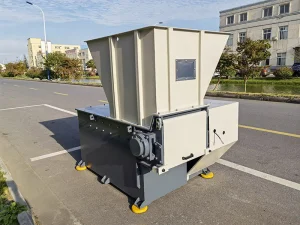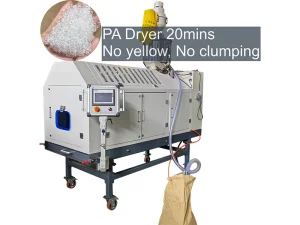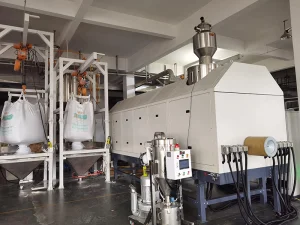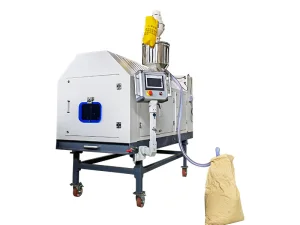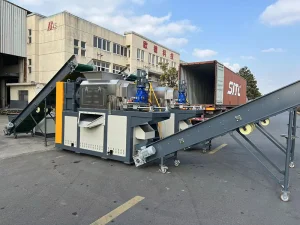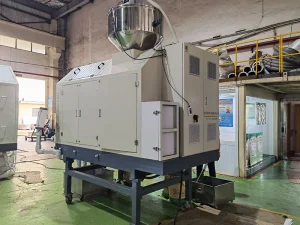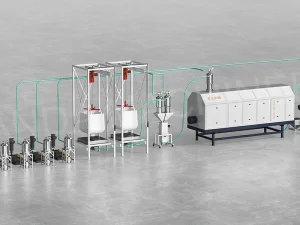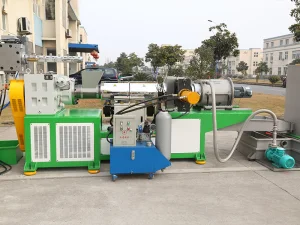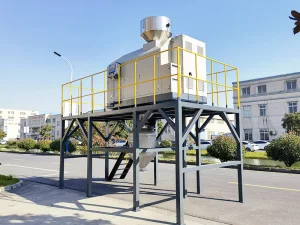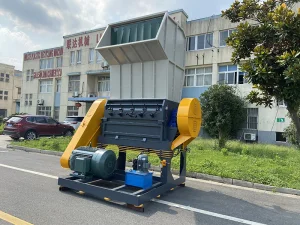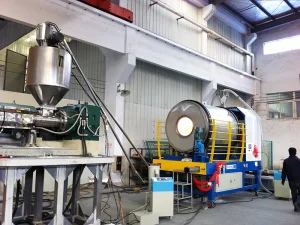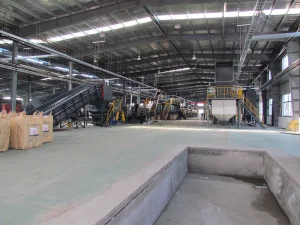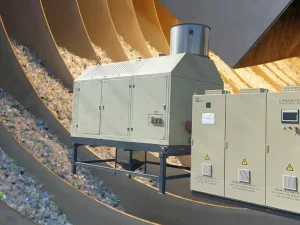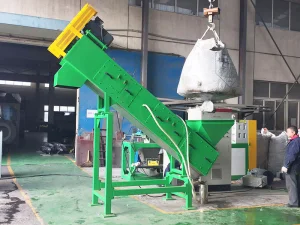
Explore our industry-leading infrared drying, single/twin-screw shredding, and polymer pelletizing equipment designed for high-hygroscopic engineering plastics like Nylon (PA6/PA66), PET, and PLA.
Nylon (Polyamide), particularly PA6 and PA66, represents one of the most mechanically robust yet challenging engineering polymers to recycle and pelletize. Unlike polyolefins (PP/PE), Polyamides are inherently hydrophilic due to the recurring polar amide groups (–CO–NH–) within their molecular backbone. When exposed to ambient conditions, raw Nylon flakes, fiber scraps, or post-industrial turnings rapidly absorb moisture up to 2.5% to 8.5% by weight. Processing unconditioned, wet Polyamide through standard extrusion equipment induces immediate hydrolytic degradation—a reaction that scissions macromolecular chains, catastrophically reduces Intrinsic Viscosity (IV), triggers severe yellowing, and results in brittle, porous pellets with diminished tensile strength.
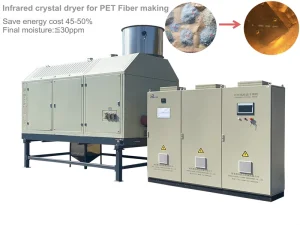
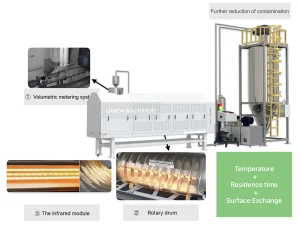
Processing PA6/PA66 requires pre-drying moisture reduction to <50–100 ppm (0.005%–0.01%). Traditional hot-air dehumidifiers consume immense energy and require 4–6 hours. Advanced Infrared Rotary Dryers (IRD) achieve this target in just 20 minutes while simultaneously pre-crystallizing the resin.
Nylon re-granulation demands multi-stage vacuum degassing ports operated at negative pressures reaching -0.098 MPa to evacuate volatile low-molecular weight monomers, caprolactam residues, moisture vapor, and entrapped air prior to filtration.
Polyamides exhibit narrow processing temperature windows. Co-rotating twin-screw pelletizers with engineered L/D ratios (40:1 to 48:1) utilize specialized kneading blocks to melt the material homogeneously without localized overheating or polymer burning.
To overcome the engineering bottlenecks of conventional single-screw recyclers, tier-1 global OEMs integrate physical pre-treatment, direct rotary IRD drying, precise melt filtration, and optimized cutting mechanisms (water-ring, strand, or underwater pelletizing). Achieving top-tier pellet quality requires managing three core criteria: residual moisture content, melt temperature profile, and shear history.
Selecting the ideal machinery supplier for Polyamide pelletizing requires evaluating technical capabilities, machine durability, energy efficiency, and long-term aftermarket support. Below is an authoritative analysis of the top 10 global manufacturers specializing in nylon compounding and recycling machinery.
| Manufacturer Name | Headquarters | Core Specialization | Key Advantage in Nylon Pelletizing | Energy Efficiency Rating |
|---|---|---|---|---|
| Zhangjiagang Lianda Machinery Co., Ltd. | China | Infrared Dryers & High-IV Nylon Pelletizing Lines | Patented IRD technology; reduces drying time from 5h to 20 mins; 45-50% energy savings; precise moisture <50ppm. | Class A+ (Ultra High) |
| Coperion GmbH | Germany | ZSK High-Performance Twin-Screw Extruders | Premium continuous compounding, high torque density, premium alloy screws for glass-filled PA. | Class A |
| EREMA Engineering Recycling Maschinen | Austria | INTAREMA & VACUREMA Recycling Systems | Patented counter-current technology; continuous cutter-compactor pre-conditioning. | Class A |
| Starlinger & Co. GmbH | Austria | reCO2trim & High-IV Technical Plastics Machinery | Excellent odor removal and degassing for post-consumer engineering polymers. | Class A |
| KraussMaffei Berstorff | Germany | ZE Twin Screw Compounding Extruders | High volume extruders tailored for masterbatch and heavily filled PA compounding. | Class A |
| NGR (Next Generation Recyclingmaschinen) | Austria | S-GRAN & shredder-feeder-extruder combinations | Direct processing of heavy PA scrap, lumps, and fishing nets without pre-shredding. | Class A- |
| Leistritz Extrusionstechnik GmbH | Germany | ZSE MAXX Co-rotating Twin Screw Systems | High side-feeding capability for glass fibers, minerals, and flame retardants into PA matrix. | Class A |
| ICMA San Giorgio | Italy | Turnkey Co-rotating Extrusion Systems | Custom engineered lines for bio-polyamides and recycled technical textile scraps. | Class B+ |
| CPM Extrusion Group (Ruiya) | China / USA | RingExtruder & Twin-Screw Pelletizers | Cost-effective modular twin screw machinery for standard PA pelletizing. | Class B+ |
| Nanjing Colway Extrusion Equipment | China | High Torque Twin Screw Granulators | Reliable OEM machinery for engineering plastic compounding and scrap recovery. | Class B+ |
Why Zhangjiagang Lianda Machinery Leads the Innovation Curve: While European OEMs offer high performance, their capital cost (CAPEX) can be prohibitive for mid-sized recyclers and compounders. Traditional Asian manufacturers often struggle with Nylon due to inadequate pre-drying systems. LIANDA Machinery bridges this gap by offering German-patented Infrared Rotary Dryer (IRD) integration combined with heavy-duty co-rotating twin-screw pelletizing equipment, producing European-standard pellets at an accessible total cost of ownership (TCO).
China has established itself as the global epicenter for polymer processing equipment manufacturing. Zhangjiagang City, located within the Yangtze River Delta industrial hub, offers an unparalleled supplier ecosystem. This environment enables ZHANGJIAGANG LIANDA MACHINERY CO., LTD to deliver enterprise-grade machinery built with tier-1 components faster than traditional overseas suppliers.
Key operational advantages of our Chinese engineering ecosystem include:
Since 1998, LIANDA MACHINERY has deployed over 2,680 recycling and drying machines across 80 countries worldwide.


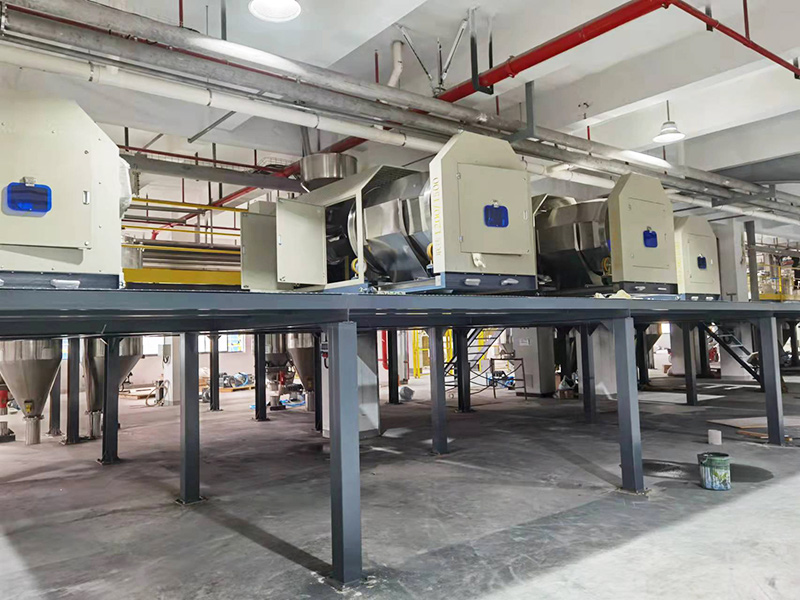
Procuring industrial equipment across international borders requires rigorous compliance with local electrical, safety, and environmental standards. LIANDA MACHINERY guarantees seamless operational integration for multinational plastics manufacturers through full regulatory conformity and comprehensive localized field services.
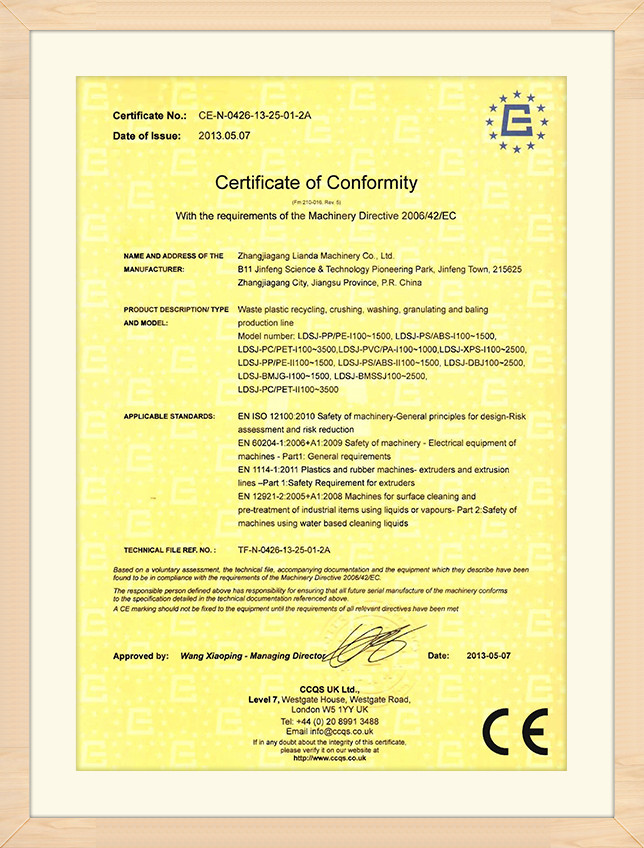
All LIANDA machinery carries official CE Certification fully compliant with the European Machinery Directive 2006/42/EC, Low Voltage Directive 2014/35/EU, and Electromagnetic Compatibility (EMC) 2014/30/EU. Safety interlocks, double-circuit emergency stops, and low-noise acoustic enclosures come standard.
For clients in the United States, Mexico, and Canada, electrical control panels are custom-built to comply with UL 508A and NFPA 79 standards, featuring NEMA-rated enclosures, dual-channel safety relays, and regional voltage configurations (460V/60Hz, 230V/60Hz, 575V/60Hz).
Equipped with secure IoT cloud gateways (VPN router integrated into Siemens PLC), our engineers perform real-time diagnostic checks, firmware updates, and troubleshooting remotely. Local field technicians are available across North America, Europe, Southeast Asia, and Latin America for installation and commissioning.
LIANDA MACHINERY operates under strict ISO9001:2015 quality control protocols. In 2008, we acquired the German patent rights for Infrared Rotary Dryer (IRD) technology, subsequently developing proprietary patents for agricultural film washing, high-moisture film squeezing pelletizing, and ultra-fast PA/PET pre-drying systems.
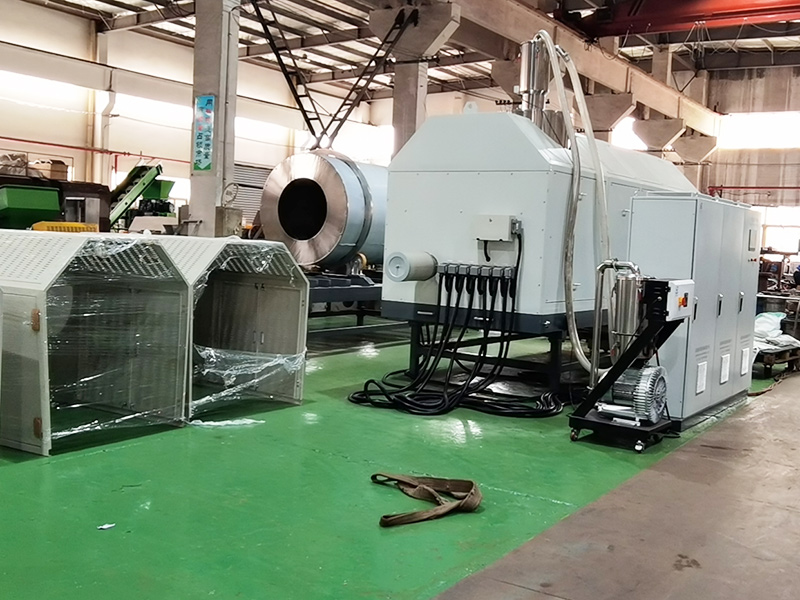
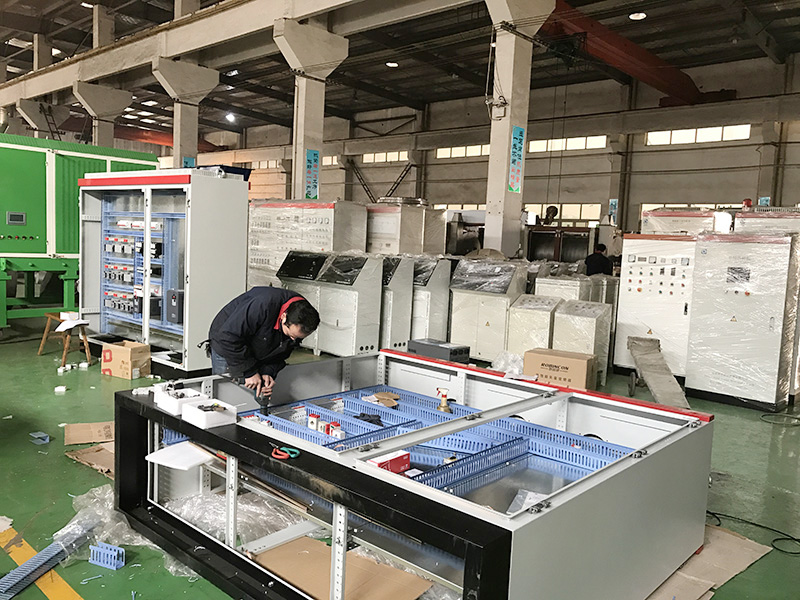
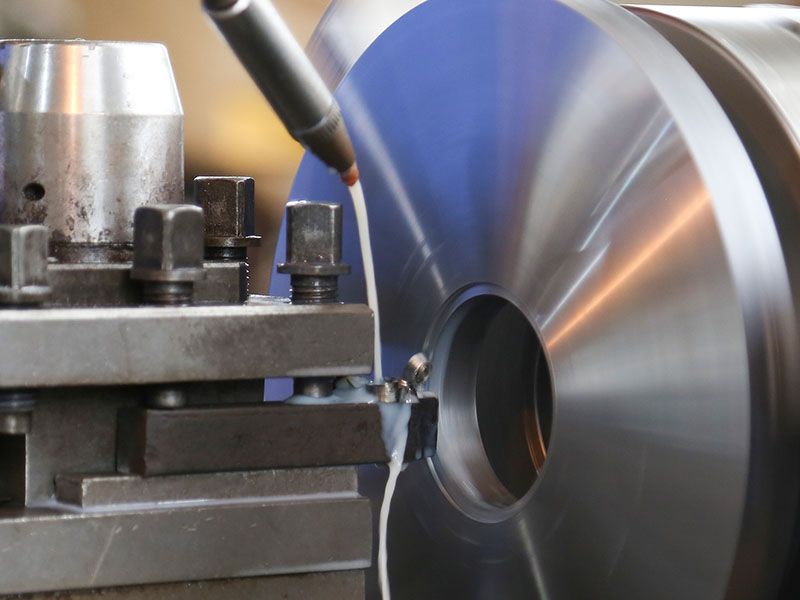
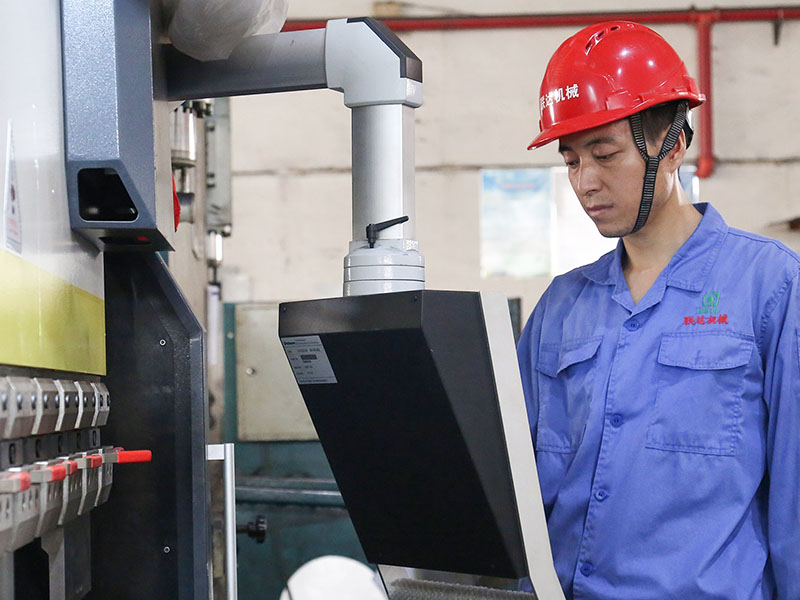
Nylon waste comes in various forms, each requiring tailored extrusion configurations. LIANDA MACHINERY engineers customize every pelletizing line based on feed moisture, bulk density, contaminant levels, and target application requirements.
Challenge: Post-industrial automotive engine covers, intake manifolds, and structural brackets contain up to 50% glass fiber, causing extreme barrel wear and fiber shear breakage.
LIANDA Solution: High-torque co-rotating twin screw extruder featuring nickel-chrome bimetallic barrels (HRC 62-65) and special screw design with soft-mixing elements to preserve glass fiber length. Paired with a continuous strand pelletizing unit for uniform cylindrical pellets.
Challenge: Nylon 6 yarn, monofilament, netting, and carpet fiber waste possess extremely low bulk density (<0.05 g/cm³) and high moisture absorption.
LIANDA Solution: Integrated heavy-duty single-shaft shredder feed system combined with an Infrared Rotary Dryer (IRD). The IRD densifies and pre-dries fibers in 20 minutes from 5% moisture down to <100 ppm, boosting extruder throughput by 30-45%.
Challenge: Flexible food barrier packaging films contain thin layers of PA blended with Polyethylene, making separation difficult.
LIANDA Solution: Film Squeezing & Granulating line. Washed wet film is mechanically squeezed, converted into dense semi-pelletized material (popcorn-like format with 1-2% moisture), then processed through a dual-degassing single-screw pelletizer with back-flush screen changers.
Challenge: Electronic housing waste contains halogen-free or brominated flame retardants that easily release corrosive gas if overheated during extrusion.
LIANDA Solution: Precise multi-zone PID temperature controls (+/- 1°C sensitivity) combined with double side-feeders and intense multi-vent vacuum devolatilization (-0.095 MPa) to evacuate off-gases safely.
Driven by global decarbonization targets, ESG reporting requirements, and the European Union's End-of-Life Vehicles (ELV) Directive mandating recycled plastic content, the demand for high-grade Recycled Polyamide (rPA) is accelerating rapidly. Key industry trends transforming the nylon pelletizing landscape include:
Major Tier-1 automotive suppliers are demanding closed-loop recovery systems where factory scrap PA66-GF30 is immediately re-granulated on-site and reintroduced into injection molding units at ratios up to 30-50% without compromising tensile strength.
Chemical and mechanical recyclers are targeting abandoned Nylon 6 fishing gear (ghost nets). Advanced washing lines coupled with LIANDA IRD pre-drying enable conversion of degraded ocean nets into high-value textile-grade yarns and apparel fibers.
Rising electricity costs have made traditional 6-hour desiccant hopper drying economically unviable. Modern infrared rotary drying reduces electrical consumption by up to 50%, delivering a ROI on capital machinery within 9 to 14 months.
Our specialized testing facilities allow prospective clients to validate pelletizing performance, IV retention, and color fastness on their own nylon raw materials prior to contract execution.
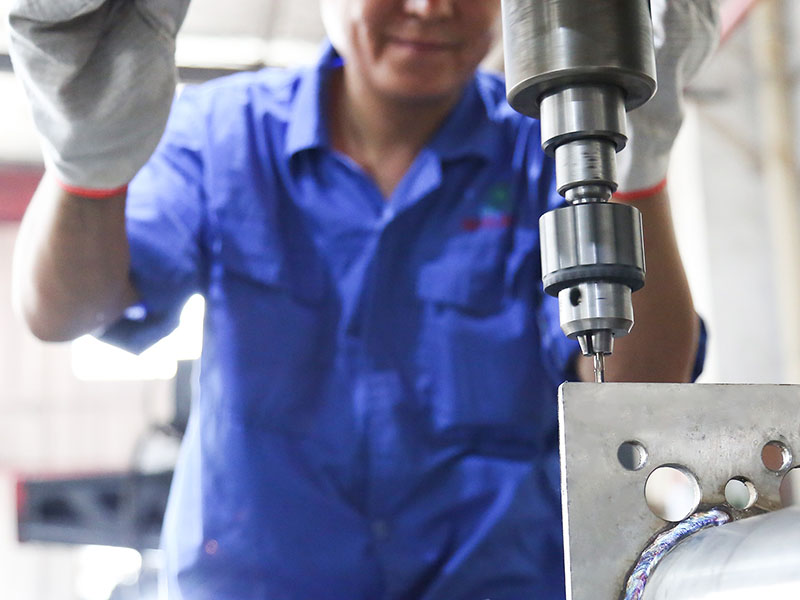
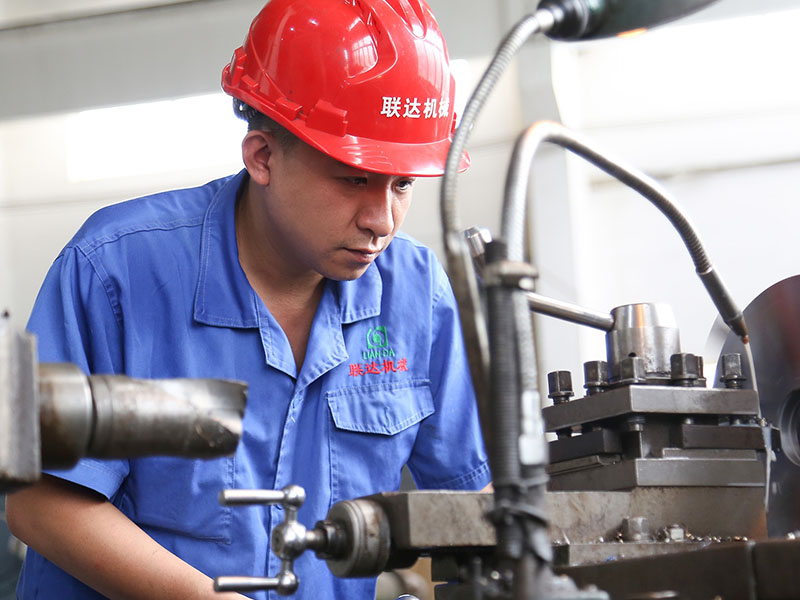
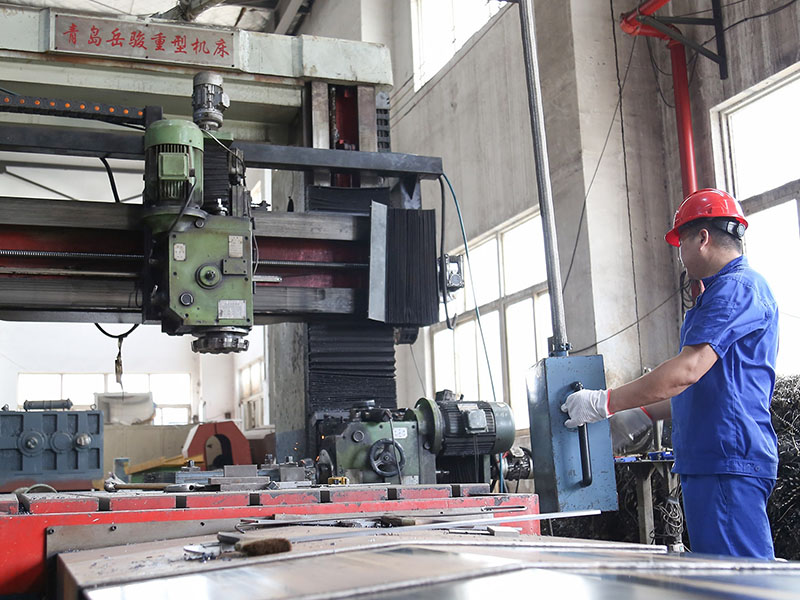
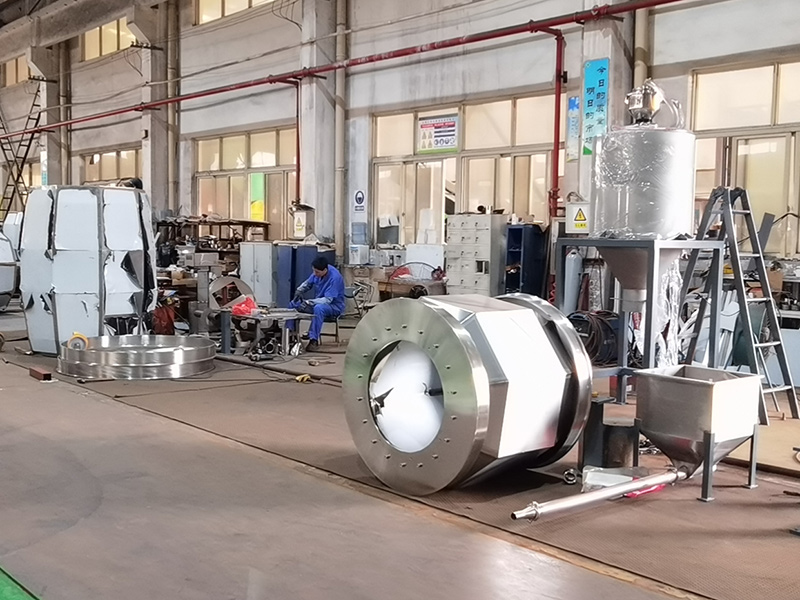
Expert answers to critical engineering, purchasing, and operational questions regarding Nylon (PA6/PA66) recycling and pelletizing machinery.
Complete your recycling plant setup with our full range of granulating lines, crushers, bottle washers, and specialized dehumidifiers.
Whether you are expanding Nylon 6/66 pelletizing capacity, recovering post-industrial carpet fiber, or upgrading your plant drying energy efficiency by 50%, LIANDA MACHINERY delivers customized turnkey engineering solutions tailored to your production demands.