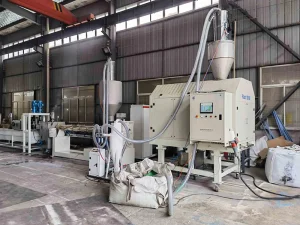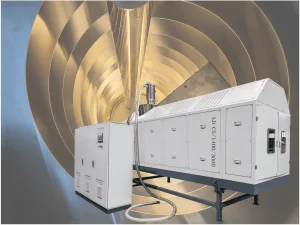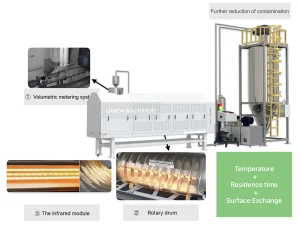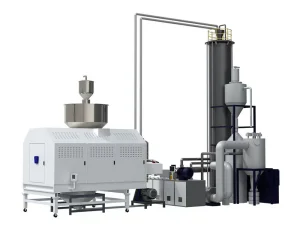
In the world of high-performance polymer processing, the question "Does PETG absorb moisture?" is critical for manufacturers aiming for precision. PETG (Polyethylene Terephthalate Glycol) is a hygroscopic material, meaning it readily absorbs moisture from the atmosphere. Failing to address this results in hydrolytic degradation during processing, leading to bubbles, brittleness, and poor optical clarity.
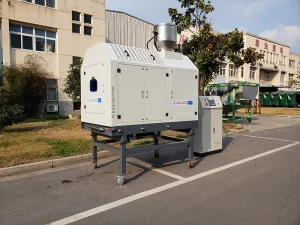
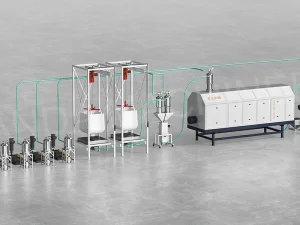
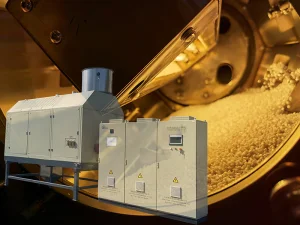
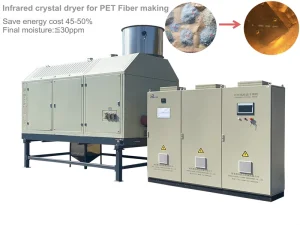
As Industry 4.0 transforms the manufacturing landscape, Chinese factories like LIANDA MACHINERY are setting new benchmarks for supply chain resilience. Global demand for high-efficiency, energy-saving drying technology is surging. Manufacturers are pivoting toward Infrared Rotary Dryers (IRD) to reduce drying times from hours to minutes, achieving residual moisture levels below 50ppm.
Since 1998, Lianda Machinery has refined its technology to handle complex resins like PETG, PLA, and PPS. Our CE-certified systems ensure that whether you are in Europe, the Americas, or Asia, your production line maintains maximum stability with minimum energy consumption.