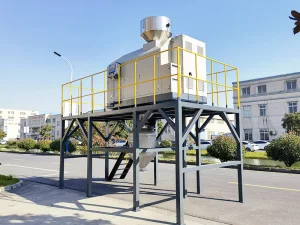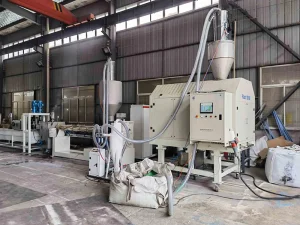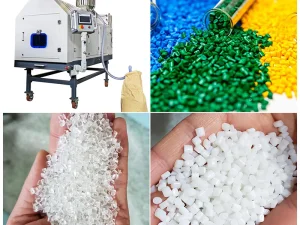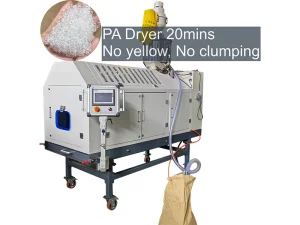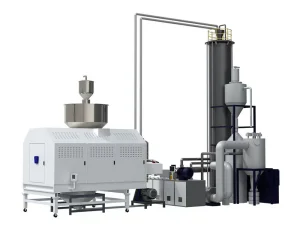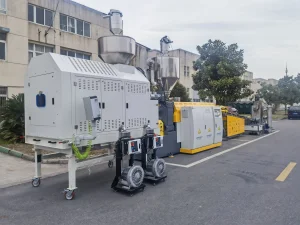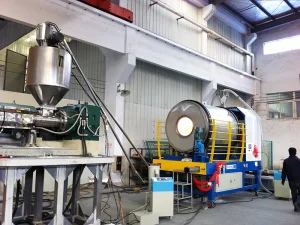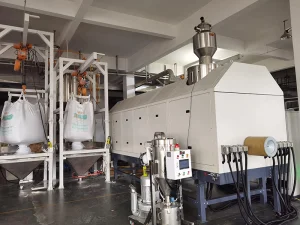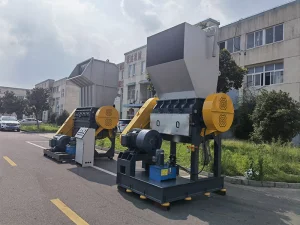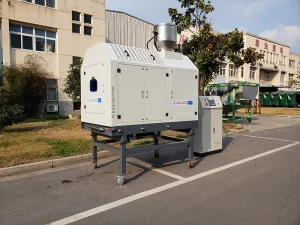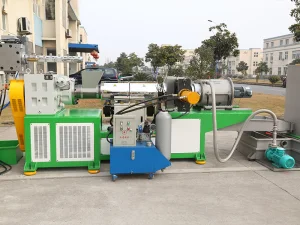
In the modern high-performance polymer industry, achieving the correct PETG (Polyethylene Terephthalate Glycol) drying temperature is the critical threshold for quality. As a leading manufacturer, LIANDA MACHINERY integrates German-patented infrared technology to ensure that plastic resins—from PET and PETG to PLA and PPS—reach the required moisture levels (as low as 50ppm) in record time.
PETG is highly hygroscopic. Improper drying leads to hydrolytic degradation, resulting in hazy parts, brittle structures, and mechanical failure. Our IRD (Infrared Rotary Dryer) systems reduce drying time to just 20 minutes, offering a 45-50% energy saving compared to traditional desiccant systems.
Our commitment to quality is backed by ISO9001 and CE certification. We serve clients in over 80 countries, providing localized solutions that comply with international safety and environmental regulations. From the UK to Mexico, our machines are built for "stable operation, maximum performance, and minimum consumption."
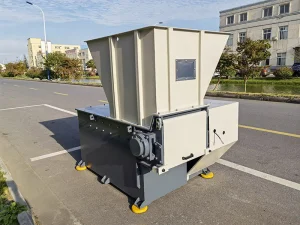
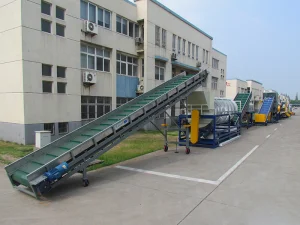
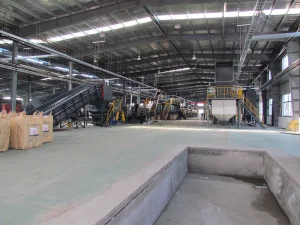
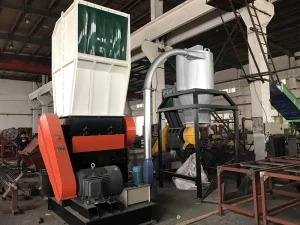
The future of PETG recycling lies in automated crystallization. LIANDA's R&D team continues to pioneer innovations in film squeezing and densification, ensuring that post-consumer waste is converted into high-value raw material with minimal carbon footprint.
Typically, PETG should be dried at approximately 65°C to 70°C. However, with our advanced Infrared Crystallization technology, we optimize the process to avoid material sticking while ensuring efficient moisture extraction.
Every machine undergoes rigorous safety and electromagnetic compatibility testing, ensuring all units meet the stringent requirements of the European market.