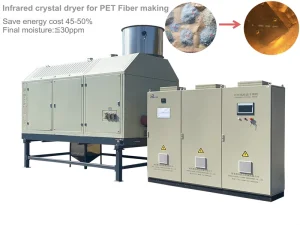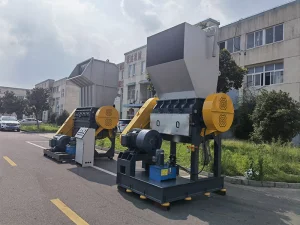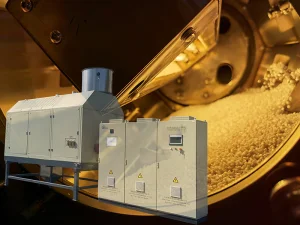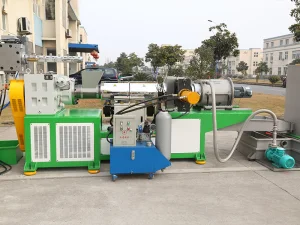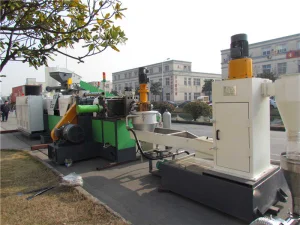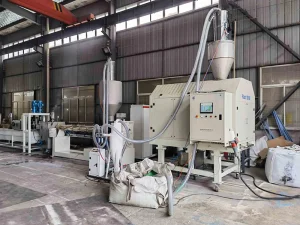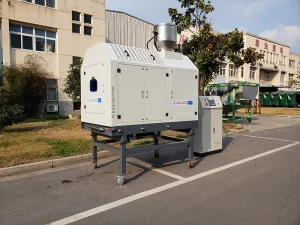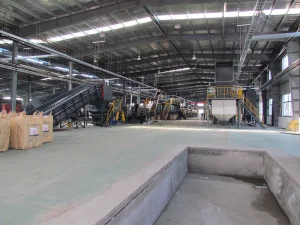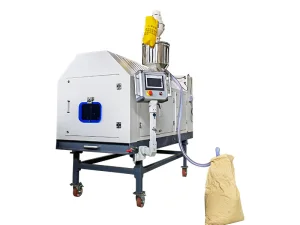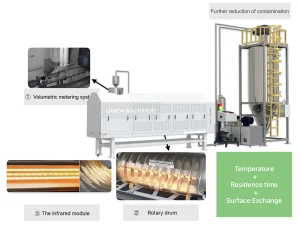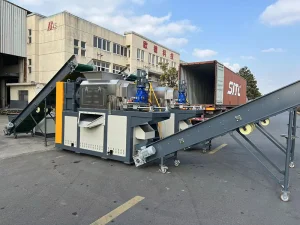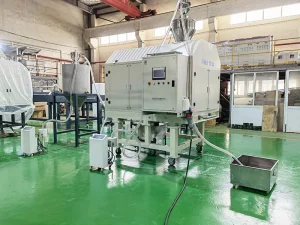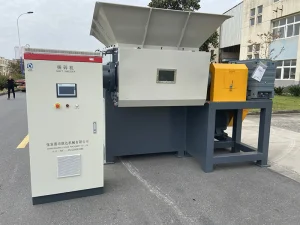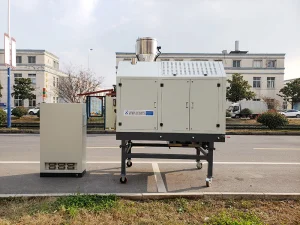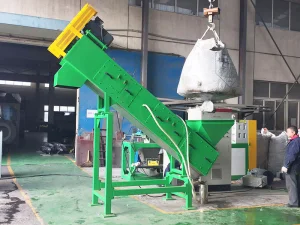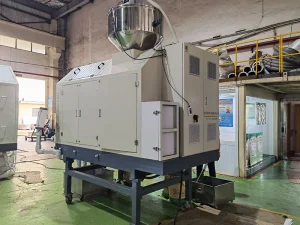
Understanding How to dry PETG effectively is crucial for manufacturers aiming to maintain structural integrity and optical clarity. PETG (Polyethylene Terephthalate Glycol) is highly hygroscopic. If moisture is not removed to below 50ppm prior to processing, hydrolysis occurs, causing brittleness and surface defects. At Lianda Machinery, we leverage advanced Infrared (IR) technology to achieve rapid, energy-efficient drying that reduces cycle times by up to 50%.
As the global market shifts toward a circular economy, the demand for recycled PETG and rPET pellets is skyrocketing. Large-scale procurement teams are now prioritizing suppliers who offer:
The future of plastic recycling lies in intelligent automation. Lianda Machinery is integrating IoT-based moisture sensors and real-time data analytics to optimize drying temperatures dynamically. Our roadmap focuses on modular machines that can adapt from virgin resin processing to complex multi-material waste streams, ensuring that your investment remains future-proof against evolving material compositions.
Without proper drying, trapped moisture causes molecular weight degradation, leading to weak parts.
IR drying provides direct heat penetration, cutting drying times significantly compared to conventional hot air dryers.
Yes, we have successfully installed over 2,680 machines in 80 countries, backed by localized technical support.