The Evolution of PLA Thermoforming Technology
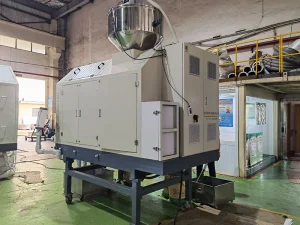
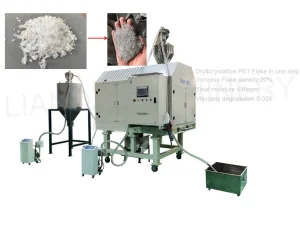
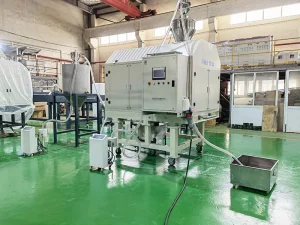
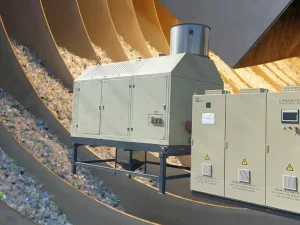
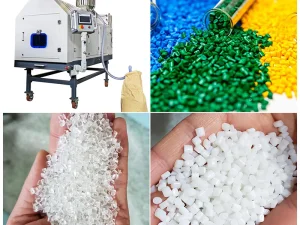
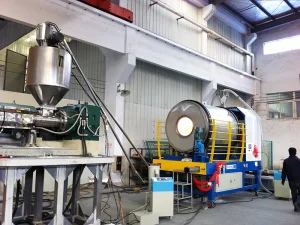
As the global shift towards circular economy accelerates, PLA (Polylactic Acid) has emerged as the primary bio-based alternative to fossil-fuel-derived plastics. In the thermoforming industry, achieving high-quality output requires specialized drying and crystallization processes. At LIANDA MACHINERY, we leverage German-patented infrared technology to ensure that PLA sheets maintain structural integrity and optical clarity, meeting stringent international standards.
Industry Trends & Market Dynamics
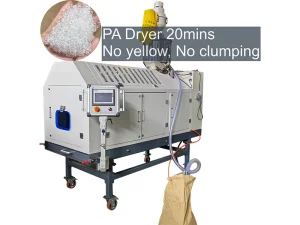
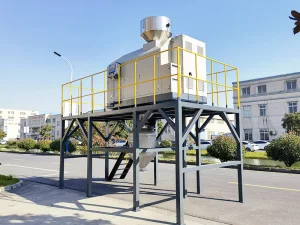
The transition toward sustainable packaging has seen a CAGR increase of 12% in the PLA sheet manufacturing sector. Key challenges, such as moisture sensitivity and thermal degradation, are addressed through our IRD (Infrared Drying) systems, which reduce energy consumption by up to 50% compared to traditional dehumidifying dryers.
Technical Roadmap: Precision Engineering
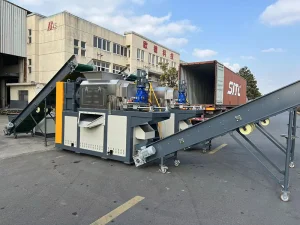
Our commitment to E-E-A-T principles is reflected in our R&D roadmap. We have transitioned from standard extrusion to high-precision crystallization units designed for advanced bio-polymers. By focusing on low moisture (<50ppm), we enable manufacturers to achieve superior thermoforming results, preventing surface defects during the vacuum forming phase.
FAQ: Expert Insights
- Why is CE certification critical for PLA sheets? It ensures compliance with EU safety and environmental regulations, facilitating global trade.
- How does LIANDA's IRD technology improve energy efficiency? By applying direct heat to the material core, we eliminate the need for lengthy pre-heating cycles, saving over 45% in operational costs.
- What makes your machinery "future-proof"? Our modular design allows for future upgrades as bio-polymer formulations evolve, ensuring long-term ROI.